Tuesday, 2 December 2025

SURE LUBE Bearing System: Superior Lubrication for Reliable Hi-Rail Performance | Mitchell Railgear


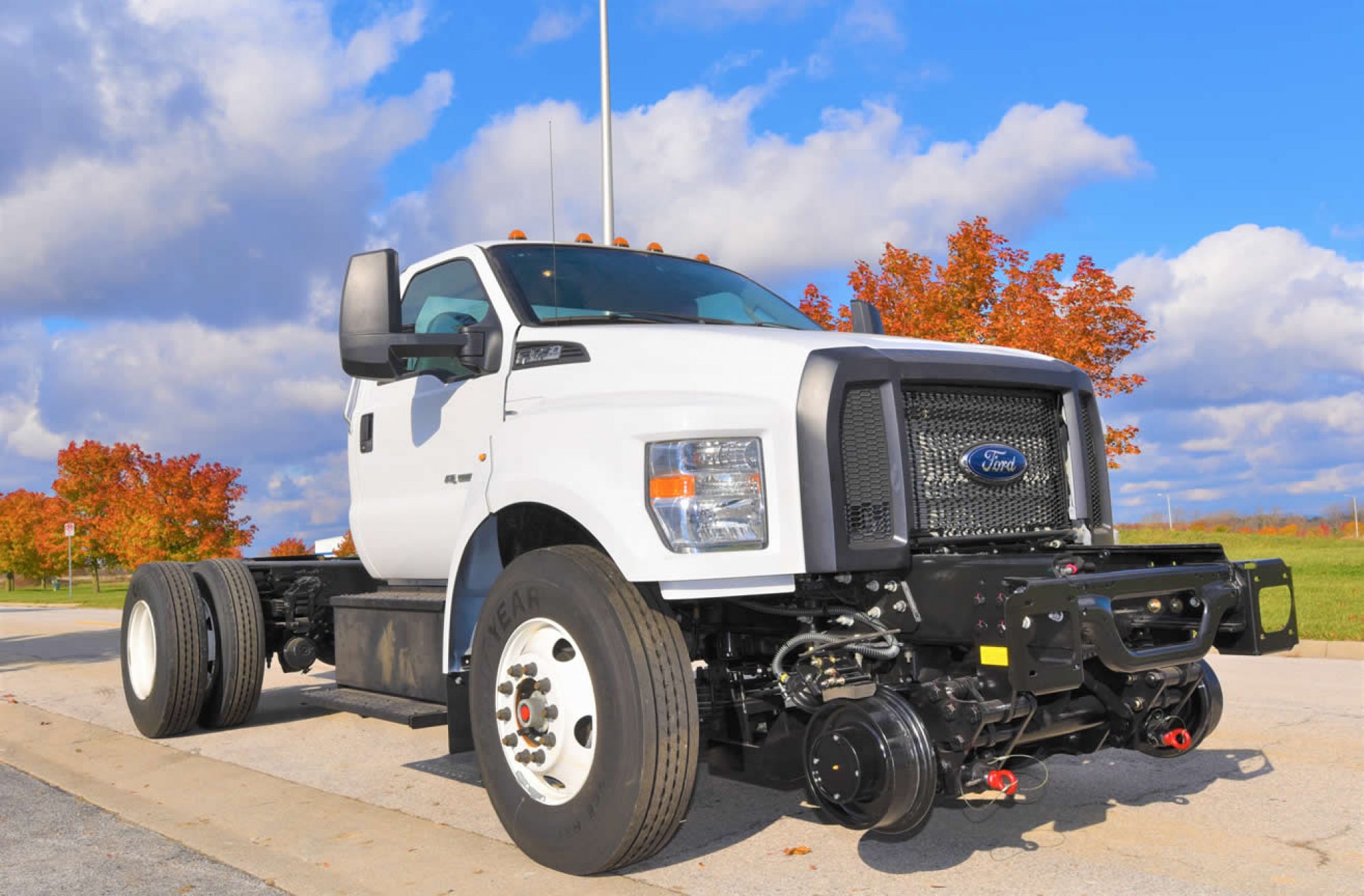
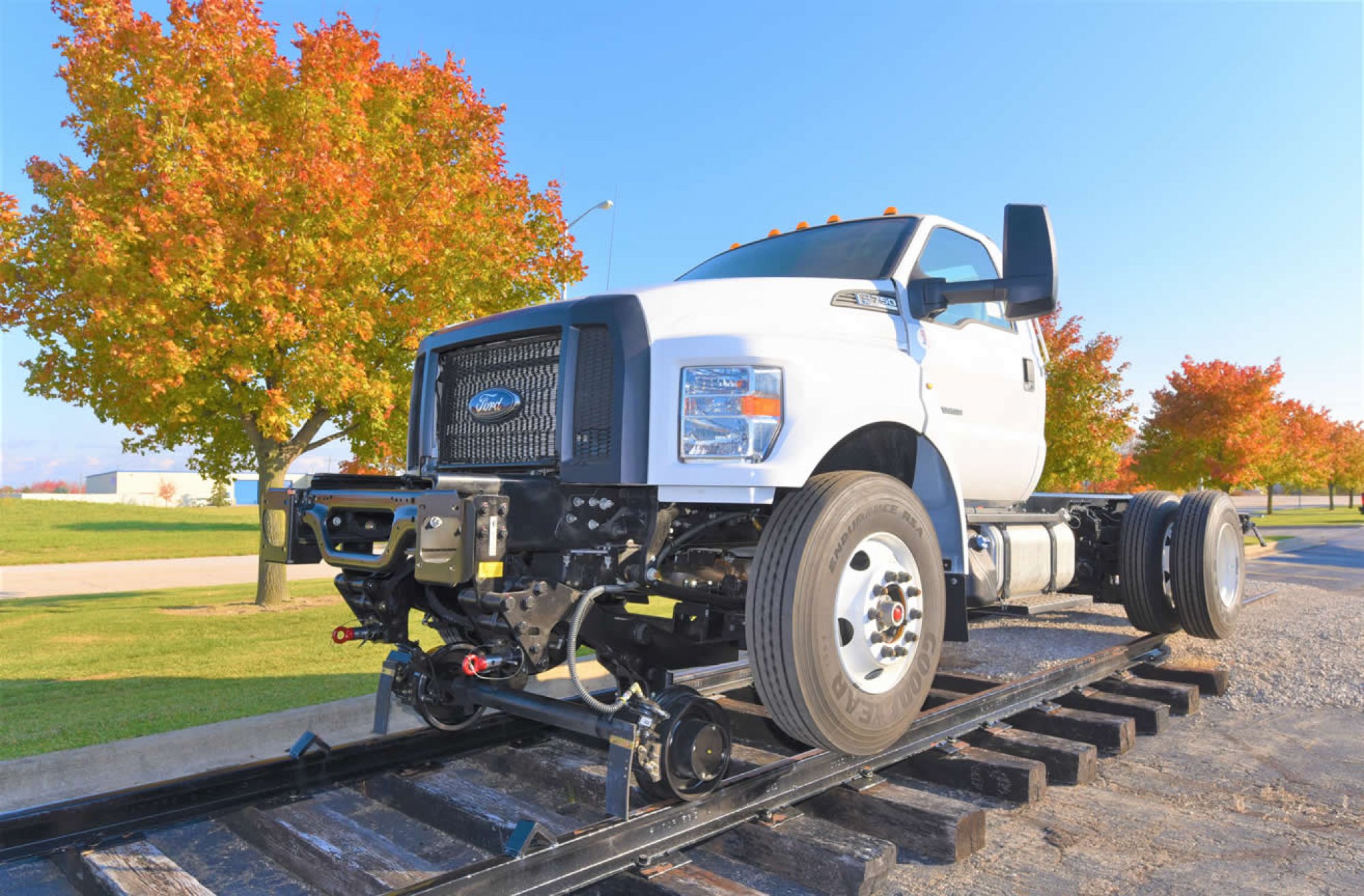
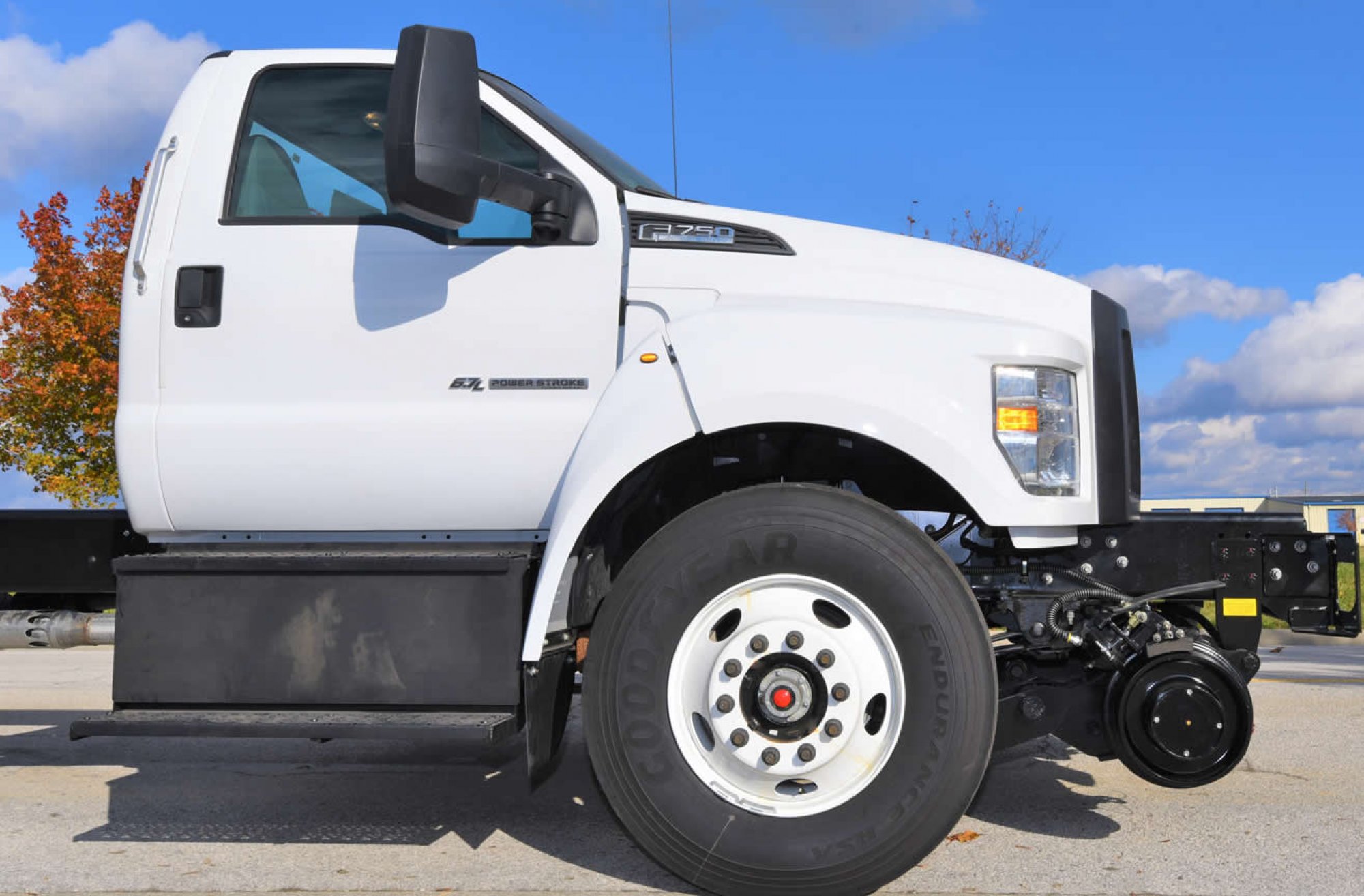
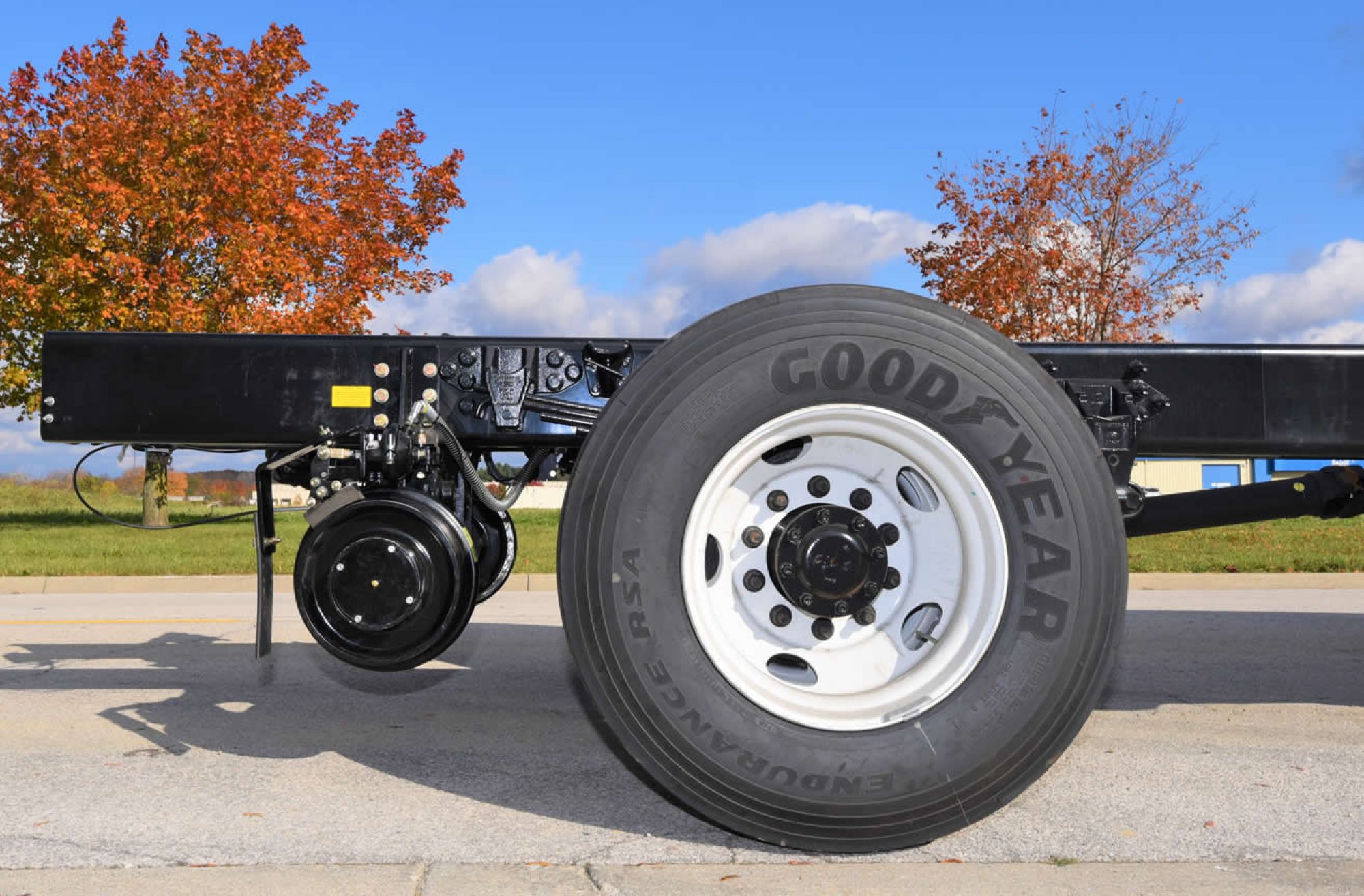
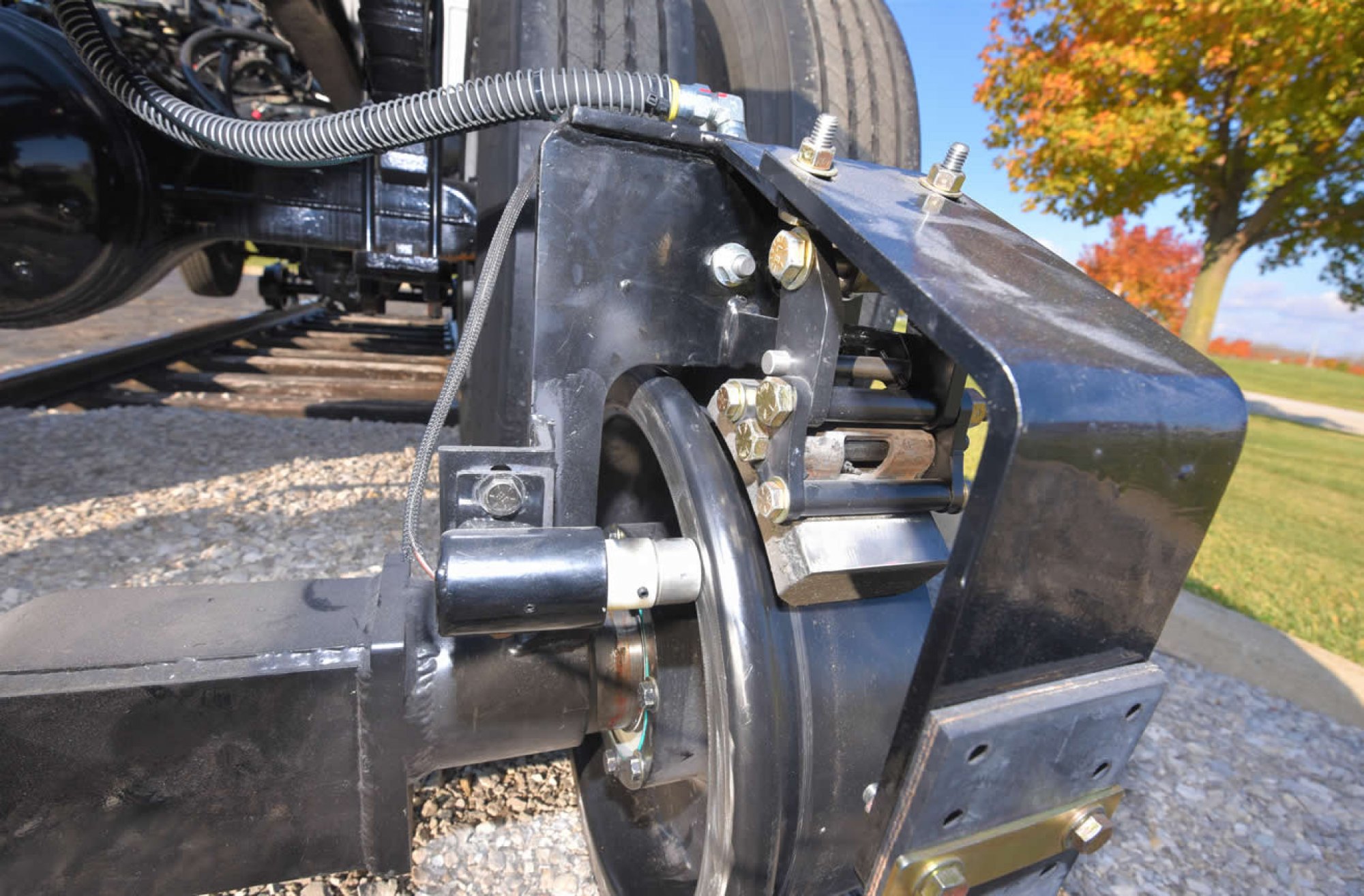
In the demanding world of rail maintenance and on-track operations, equipment reliability is everything. Hi-rail vehicles depend on smooth, consistent wheel and bearing performance to ensure safe transitions between road and rail while maintaining long-term durability. The SURE LUBE Bearing System from Mitchell Railgear is engineered to deliver exactly that — unmatched lubrication, reduced wear, and maximum service life for hi-rail applications.

This article explores how the SURE LUBE system works, its advantages and why it has become the preferred solution for operators across the rail industry.

What Is the SURE LUBE Bearing System?

The SURE LUBE Bearing System is an advanced, maintenance-friendly lubrication solution designed specifically for hi-rail gear assemblies. It ensures continuous and consistent lubrication of bearings under all operating conditions — from heavy-duty freight support to urban light-rail maintenance.

By integrating a simplified greasing process with superior sealing and bearing protection, the system enhances reliability and reduces downtime associated with traditional lubrication methods.

Key Features of the SURE LUBE Bearing System

✔ 1. Sealed Bearing Protection

The system uses high-quality sealed bearings that prevent dirt, water, and contaminants from entering, ensuring smooth operation even in harsh rail environments.

✔ 2. Continuous Lubrication Delivery

Engineered grease pathways provide direct lubrication to critical bearing surfaces without requiring disassembly.

✔ 3. Extended Service Intervals

Operators benefit from longer maintenance cycles, reducing both labour and downtime while improving equipment availability.

✔ 4. Simple & Clean Maintenance

Greasing is performed through easy-access ports, eliminating messy or time-consuming bearing maintenance routines.

✔ 5. Built for Heavy-Duty Rail Use

Designed to withstand the vibration, load stress and environmental exposure typical in railroad operations.

Benefits for Hi-Rail Operators

✔ Increased Reliability

With consistent lubrication and sealed protection, bearings experience less friction, wear and overheating, ensuring smoother operation.

✔ Lower Maintenance Costs

Longer intervals between services help reduce the overall cost of ownership.

✔ Enhanced Safety

Properly lubricated bearings reduce the risk of mechanical failure, ensuring safe deployment and retraction of hi-rail gear.

✔ Longer Equipment Lifespan

Reduced wear on bearings and other moving parts extends the lifespan of hi-rail components, contributing to better long-term performance.

✔ Improved Job-Site Efficiency

With fewer maintenance interruptions, operators can complete more inspections, repairs or rail work in less time.

How the SURE LUBE System Works

The SURE LUBE Bearing System incorporates a series of engineered channels that carry grease directly to bearing contact points. This ensures:

  • Uniform distribution

  • Cleaner application

  • Long-lasting lubrication

  • Protection during both rail and road travel

The simplified greasing system removes the need for repetitive disassembly, allowing technicians to maintain bearings quickly and efficiently.

Applications Across Rail Industries

The SURE LUBE Bearing System is ideal for:

  • Hi-rail trucks

  • Track inspection vehicles

  • Rail maintenance fleets

  • Utility and construction trucks operating on rail

  • Any system requiring reliable hi-rail bearing support

Whether the equipment is used for inspection, welding, construction, or ballast work, SURE LUBE provides dependable, low-maintenance performance.

Why Choose Mitchell Railgear’s SURE LUBE System?

Mitchell Railgear is known for innovative, high-performance solutions designed for the rail industry. The SURE LUBE Bearing System reflects this commitment by delivering:

  • Proven durability

  • Industry-leading engineering

  • Reduced maintenance complexity

  • Tested reliability in real-world rail conditions

With decades of experience, Mitchell Railgear ensures that each component meets the rigorous demands of modern rail operations.

Conclusion

The SURE LUBE Bearing System is a game-changing solution for rail operators seeking reliability, performance and low-maintenance operation. By combining sealed bearing protection with simplified lubrication, it enhances hi-rail gear efficiency and prolongs equipment life. For fleets that need dependable performance on every job, SURE LUBE is the clear choice. For more information visit https://mitchell-railgear.com/.

YouTube videos

See Our YouTube Video's http://www.youtube.com/user/MitchellRailGear/videos


Thursday, 20 November 2025

Rail Testing Trucks: Enhancing Track Safety, Accuracy & Performance in Modern Rail Networks

Rail Testing Trucks: Enhancing Track Safety, Accuracy & Performance in Modern Rail Networks

Railway safety depends on precision — and precision depends on accurate, timely testing. Rail testing trucks, also known as rail inspection trucks or hi-rail testing vehicles, play a crucial role in ensuring that rail infrastructure remains safe, reliable and compliant with industry standards. Equipped with advanced diagnostic technology, these specialised vehicles help rail operators detect faults early, prevent accidents and maintain smooth operations.

In this blog, we explore what rail testing trucks do, why they’re essential, and how they are transforming modern rail maintenance.

What Are Rail Testing Trucks?

Rail testing trucks are road-rail vehicles fitted with hi-rail gear that allows them to travel safely on both roads and rail tracks. These trucks are equipped with a variety of inspection tools designed to monitor the condition of:

  • Rails

  • Joints

  • Track geometry

  • Welds

  • Gauge width

  • Surface defects

  • Subsurface flaws

They are widely used by rail authorities, maintenance contractors and engineering teams for regular and emergency inspections.

Why Rail Testing Trucks Are Essential

✔ Ensuring Track Safety

Tracks experience constant stress from heavy loads and extreme weather. These trucks help identify early structural issues—such as cracks, wear and alignment problems—before they become safety hazards.

✔ Preventing Costly Failures

Detecting defects early reduces the risk of derailments, service shutdowns and expensive emergency repairs.

✔ Supporting Compliance

Rail networks must comply with strict safety standards. Regular testing ensures regulatory compliance and improves operational accountability.

✔ Saving Time & Labour

Automated scanning and on-site testing significantly reduce inspection time compared to manual checks.

Key Technologies Used in Rail Testing Trucks

Modern rail testing trucks are equipped with cutting-edge testing systems, including:

1. Ultrasonic Rail Testing (UT)

Detects internal cracks, fractures and subsurface defects invisible to the naked eye.

2. Eddy Current Testing (ECT)

Ideal for detecting surface and near-surface flaws such as corrosion and wear.

3. Laser Track Geometry Measurement

Monitors alignment, elevation, curvature, twist and gauge width with exceptional accuracy.

4. Ground Penetrating Radar (GPR)

Analyzes ballast and subgrade conditions to detect moisture, voids or material breakdown.

5. Visual Imaging & HD Cameras

Provides real-time visual assessment for detailed reporting and documentation.

6. GPS & Data Recording Systems

Tracks location while storing inspection data for future maintenance planning.

Applications of Rail Testing Trucks

Rail testing trucks are used in:

  • Routine track inspections

  • High-speed rail analysis

  • Freight and passenger network testing

  • Post-incident evaluation

  • Track commissioning and handover inspections

  • Predictive maintenance planning

Their versatility makes them essential for both light rail and heavy haul infrastructure.

Benefits for Rail Operators

✔ Improved Safety

Accurate detection prevents accidents and enhances passenger and operator safety.

✔ Reduced Downtime

Proactive maintenance minimises operational interruptions.

✔ Enhanced Cost Efficiency

Timely detection reduces the need for major overhauls and emergency repairs.

✔ Better Asset Management

Detailed inspection data helps optimise long-term maintenance strategies.

✔ Increased Lifespan of Rail Infrastructure

Early intervention prevents structural degradation and track ageing.

The Future of Rail Testing: Automation & Smart Technology

As rail networks expand and modernise, rail testing trucks are evolving with:

  • AI-powered defect detection

  • Cloud-based reporting systems

  • Integrated digital track twins

  • Autonomous hi-rail operations

  • Real-time data sharing with maintenance crews

These advancements help rail operators make smarter, faster decisions and improve overall network efficiency.

Conclusion

Rail testing trucks are essential tools for maintaining safe, efficient and high-performing rail networks. With their advanced testing technologies and road-rail versatility, they help operators detect problems early, reduce maintenance costs and ensure safe journeys for millions of passengers and freight loads every year.

Saturday, 15 November 2025

Backhoe Hydraulic Rail Gear - Wing Down Stabalizers

 Backhoe Hydraulic Rail Gear - Wing Down Stabalizers

'. Case590SumperNwithwingDowns-1.jpg.'
'. Case590SumperNwithwingDowns-2.jpg.'
'. Case590SumperNwithwingDowns-13.jpg.'
'. Case590SumperNwithwingDowns-7.jpg.'
'. Case590SumperNwithwingDowns-12.jpg.'
'. Case590SumperNwithwingDowns-15.jpg.'
'. Case590SumperNwithwingDowns-3.jpg.'
'. Case590SumperNwithwingDowns-4.jpg.'
'. Case590SumperNwithwingDowns-11.jpg.'
'. Case590SumperNwithwingDowns-8.jpg.'

Description:

Introducing Mitchell’s Backhoe Loader Hydraulic Rail Gear with Wing-Down Stabilizers: Elevating Rail Maintenance Efficiency


Mitchell's Rail Gear system redefines rail maintenance with innovative features designed for seamless operation. The core system includes front and rear hydraulic-operated guide wheel attachments, ensuring precise navigation on rail tracks.


To accommodate the front hi-rail, the standard front counterweight is replaced with a specially crafted Mitchell Front counterweight. This modification allows for optimal space utilization and ensures stability during rail travel. Equipped with rubber springs, the front hi-rail maintains the front axle level, providing smooth traversal over obstacles. In the event of an obstruction, the axle automatically adjusts, guaranteeing uninterrupted movement.


Operational convenience is paramount, which is why the raising and lowering of the guide wheels can be effortlessly controlled from the cab, enhancing operator efficiency and safety. Additionally, the rear rail gear features spring suspension, compensating for uneven track surfaces. Moreover, the front hi-rail incorporates a built-in pivot mechanism to accommodate variations in track conditions, further enhancing stability and performance.


With the original stabilizers reattached, the system seamlessly transitions between on-rail and off-rail applications. Whether transporting the machine or performing backhoe work, Mitchell's Rail Gear ensures optimal performance and versatility. However, in tie replacement scenarios, the original stabilizers may fall short, as they lack the capability to lift the track vertically, risking rail alignment issues.


Enter Mitchell's Out & Down Stabilizers: specifically designed to address the challenges of tie replacements. These stabilizers boast the ability to lift the track vertically, facilitating efficient tie replacement operations without compromising rail alignment. Unlike traditional stabilizers, Mitchell's Out & Down Stabilizers offer unparalleled precision and stability, ensuring optimal performance in critical rail maintenance tasks.


Experience travel on rail with Mitchell's Backhoe Loader Hydraulic Rail Gear  with Wing-Down Stabilizers—where innovation meets efficiency for unmatched performance on the tracks.

Wednesday, 12 November 2025

Maximizing Efficiency and Versatility: Mitchell Rail Gear Attachments for Modern Rail Maintenance


Introduction

In today’s demanding rail industry, efficiency and versatility are paramount. With increasing rail traffic and tighter maintenance windows, contractors and rail operators need solutions that minimize downtime and maximize the utilization of their existing equipment. Mitchell Rail Gear (MRG) delivers innovative attachments that transform standard construction equipment into specialized rail maintenance machines, offering a cost-effective and flexible approach to track upkeep.

The MRG Advantage: Transforming the Ordinary

MRG specializes in attachments that convert backhoes, excavators, and trucks into powerful rail maintenance tools. These attachments are engineered for seamless integration, enhancing the capabilities of your existing fleet without the need for expensive, dedicated rail-bound equipment.

Key Product Categories

  • Rail Gear Systems: Convert standard trucks into hi-rail vehicles for inspection and maintenance tasks.
  • Tamper and Ballast Regulator Attachments: Designed for backhoe loaders and excavators, these attachments provide precise and efficient track spot-maintenance.
  • Tie-Switching Systems: Enable quick and easy tie replacement, minimizing track downtime.
  • Specialized Attachments: Including rail threaders, magnet systems, and custom-designed buckets and grapples for various rail maintenance needs.

Benefits of MRG Attachments

  • Increased Versatility: Transform your existing equipment into multi-functional machines capable of handling a wide range of rail maintenance tasks.
  • Reduced Downtime: Perform spot repairs and maintenance quickly and efficiently, minimizing disruptions to rail traffic.
  • Cost-Effectiveness: Lower capital investment compared to dedicated rail-bound equipment, with the added benefit of utilizing equipment that can be used for other construction tasks.
  • Enhanced Safety: Designed with operator safety in mind, MRG attachments improve the precision and control of maintenance tasks.

Applications

  • Spot Maintenance: Address specific track defects quickly and efficiently with tamper and ballast regulator attachments.
  • Tie Replacement: Streamline tie replacement projects with tie-switching systems designed for speed and precision.
  • Inspection and Repair: Equip hi-rail trucks with specialized attachments for comprehensive track inspection and maintenance.
  • Material Handling: Utilize magnet systems and custom buckets for efficient material handling along the rail corridor.

Why Choose Mitchell Rail Gear?

MRG has a long history of innovation in the rail industry, beginning in 1978. Our commitment to quality, durability, and customer satisfaction ensures that our attachments deliver reliable performance in the most demanding conditions. By choosing MRG, you are investing in a solution that enhances your operational capabilities and improves the overall efficiency of your rail maintenance program.

Conclusion

Mitchell Rail Gear is your partner in optimizing rail maintenance operations. Our innovative attachments provide the versatility, efficiency, and cost-effectiveness you need to thrive in today’s competitive rail industry. Contact us today to learn more about how MRG can transform your equipment and elevate your maintenance practices.

Call to Action:

Visit our website at www.mitchell-railgear.com to explore our full range of rail gear and attachments, and contact us for a consultation.

Wednesday, 22 October 2025

Mitchell Rail Gear – Truck-Based Hi-Rail Systems


Introduction

In rail-maintenance and short-haul applications where flexibility, mobility and dual-mode operation (road + rail) are valued, Mitchell Rail Gear offers a strong line of truck-mounted hi-rail systems. These systems enable standard trucks and other road vehicles to travel on rail tracks, perform tasks such as car moves, inspections, maintenance support, and then drive off-rail as needed.

What Are Truck Hi-Rail / Rail-Gear Systems?

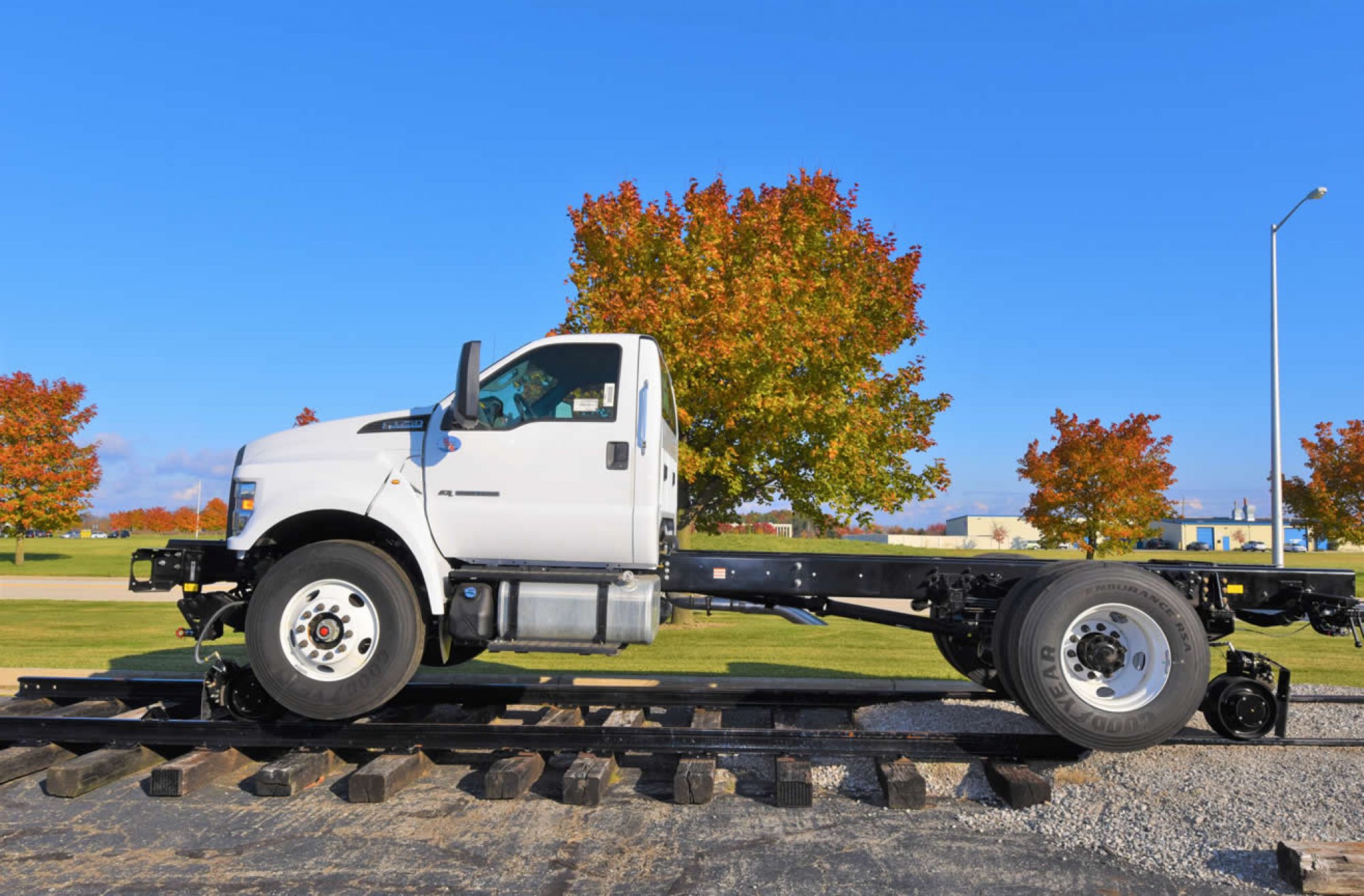
A hi-rail (or “road-rail”) truck is a vehicle equipped with retractable or deployable rail wheels that allow it to operate on railroad trucks rails as well as on the road. The rail-gear system typically raises or lowers the rail wheels, locks them, and engages traction and braking appropriate for rail mode. Mitchell’s truck systems also integrate suspension, mounting kits, controls, and safety features tailored for rail applications.

Key Models & Features from Mitchell Rail Gear

Here are some of the notable truck-based systems from Mitchell:

  • The 1515 FlexiRide® Rail Gear for Class 2-3 trucks: This system features four-wheel independent “FlexiRide” suspension, composite rail wheels (hardened steel outer, aluminum inner, polyurethane layer for noise reduction) and a complete mounting kit for truck frames.

  • Models such as 1010 WT, 1010 WTC and 1515 for pickup-truck style vehicles: These use the same rail-wheel and suspension units but differ in mounting geometry (fold‐up vs fold‐away) to optimise approach/departure angles. 

  • Mobile railcar mover solutions: Mitchell offers truck-based railcar movers (road-capable trucks equipped with rail gear and coupler/spotter attachments) to support railcar handling and spot moves.

Features & design highlights:

  • A complete system approach: Mitchell supplies “from major components down to the smallest nuts & bolts”.

  • Noise-reducing composite rail wheels for truck-based rail travel. 

  • Systems engineered for dual mode: On-rail speed, off-rail road driving, approach/departure angles, clearance management. 

  • Pre-engineered mounting kits, hydraulic/electrical integration, remote locking of rail gear. 

Applications & Use-Cases

These truck-based hi-rail systems are well suited for:

  • Rail-maintenance-of-way crews needing mobile support vehicles that can drive on roads to site, then transition to rail to inspect, spot-move cars, or assist with switch/tie work.

  • Short-line or industrial RAILROAD TRUCKS that require flexible vehicles rather than full-sized locomotives for light duty spotting or track service.

  • Contractors working on rail corridors who want to leverage road-capable trucks that can occasionally run on track with minimal additional vehicles.

  • Situations where access is limited, speed of mobilisation is key, or multi-function vehicle use is desirable (e.g., truck by day, hi-rail move by night).

Benefits & Value Proposition

  • Cost efficiency: A truck with hi-rail gear can serve dual roles rather than dedicated rail-only machines, thereby improving asset utilisation.

  • Mobility & flexibility: The ability to travel on public roadways and then switch to rail avoids the need for extra transport/rail-shunting logistics.

  • Rapid deployment: Because the mounting kits are preengineered, many systems are plug-and-go for truck frames, reducing downtime.

  • Enhanced safety and performance: Features like fully integrated suspension (FlexiRide), locking mechanisms, composite wheels all contribute to safer, smoother operation in rail mode.

Considerations Before Specification & Deployment

  • Truck base-vehicle selection: Ensure the host truck has the required load-capacity, frame strength, braking/traction capability and mounting points for the rail-gear system.

  • Rail vs road compromises: Although designed for dual use, the truck may still face limitations (e.g., rail speed, track condition tolerance, clearance). Evaluate the intended rail usage (spotting vs extended travel).

  • Suspension & ride quality: Trucks operating on rail need specialised suspension or ride-control to handle uneven track, vibration and dynamic loads. Mitchell’s FlexiRide addresses this.

  • Installation & training: Even well-engineered systems require correct installation, operator training, maintenance regimes and inspection protocols.

  • Compliance & safety: Ensure rail-mode operation meets local railway safety standards, signaling requirements, vehicle maintenance schedules and insurance/regulatory frameworks.

  • Support & parts: Verify that the manufacturer (Mitchell) or local dealer provides spare parts, service support and training for the truck-rail system.

Why It’s Relevant for Your Audience

Given your interest in blog content about hi-rail equipment (e.g., for Mitchell Rail Gear) and contractors in rail/maintenance, this topic appeals because:

  • It showcases how versatile equipment (trucks) can be adapted to rail tasks—an angle many readers (contractors, rail MOW firms) find compelling.

  • It bridges road and rail operations, which means reduced logistics, lower cost, improved scheduling in mixed-mode work.

  • It positions Mitchell as a manufacturer offering turnkey, dual-purpose solutions (truck + rail gear) rather than just attachments—helping differentiate from competitors.

  • It aligns with market trends: smaller fleets, multi-functional vehicles, rapid mobilisation, real-time response in rail infrastructure environments.

Proposed Blog Structure & Headings

  1. Headline: "Driving on Rails — How Mitchell Rail Gear Turns Trucks into Hi-Rail Powerhouses"

  2. Introduction: Set the stage by discussing the need for road-rail flexibility in modern rail maintenance/contracting.

  3. Section 1 – What is a Hi-Rail Truck?: Define truck-mounted rail-gear systems and how they operate.

  4. Section 2 – Mitchell’s Truck Rail-Gear Systems: Detail key models (1515 FlexiRide, 1010 WT/WTC, mobile railcar movers), features and specs.

  5. Section 3 – Real-World Applications: Use-cases such as short-line spotting, maintenance of way, mobile inspection/support vehicles.

  6. Section 4 – Benefits for Contractors & Rail Operators: Flexibility, cost-savings, dual-mode utilisation, faster mobilisation.

  7. Section 5 – What to Consider Before Going Truck Hi-Rail: Base vehicle selection, installation, compliance, support, etc.

  8. Conclusion: Summarise why the truck-rail approach is worth considering and how Mitchell stands out.

  9. Call to Action: Suggest contacting Mitchell for quote/consultation, or invite reading further about their catalogue/attachments.

Thursday, 16 October 2025

Ballast Tamper Attachment by Mitchell Rail Gear


Introduction

In today’s rail-infrastructure environment, maintenance windows are getting shorter while expectations for track stability, drainage and geometry are higher than ever. For contractors and rail-maintenance operators who need to perform efficient spot-maintenance rather than large-scale production jobs, the tamper attachment from Mitchell Rail Gear offers a smart, flexible solution.

What is a Ballast Tamper Attachment?

A ballast tamper is a device used to consolidate and level ballast beneath railway ties (sleepers), ensuring proper support, alignment and drainage for the track. The Mitchell version is an attachment designed to fit construction machines such as backhoe loaders, excavators or skid steers, allowing these machines to perform tamping tasks which might otherwise require dedicated production tamping machines.

Key Features of the Mitchell Tamper Attachment

Here are some of the notable technical and functional features of the Mitchell attachment:

  • It consists of four hydraulic vibrating tamping tools that act on both sides of the rail, thereby enabling efficient ballast consolidation around ties. 

  • The tools can insert to a depth of approximately 21 inches (≈ 0.53 m) beneath rail level. 

  • The tamping vibration frequency is in the range of 70-110 Hz, with tip displacement around 3/16″ (~4.8 mm) and down-force of ~300 lbs per tool. 

  • Each tool also delivers a squeezing force of about 1,000 lbs to compact ballast under the tie. 

  • The attachment is designed for both on-rail and off-rail use: it can be pivoted or hydraulically swivelled to align with the rail, or positioned perpendicularly off-track for lateral work. 

  • It is compatible with loaders/backhoes/excavators rather than only with large dedicated tampers — enabling spot maintenance, limited access zones and smaller machines. 

Advantages & Applications

  • Cost-effectiveness for spot maintenance: Instead of deploying large production machines, a contractor can use their existing excavator or backhoe fitted with the tamper attachment to perform targeted ballast consolidation.

  • Flexibility: Because the tamper works both on- and off-track, and can be mounted to various platforms, it suits diverse site conditions (tight clearances, short work windows) especially in rail environments.

  • Improved track stability and drainage: Proper ballast consolidation ensures better support beneath ties, which helps maintain alignment, prevents settlement and supports effective drainage. The PPT summary for Mitchell describes benefits like “increases track stability”, “maintains correct rail geometry”, “reduces derailment risk”. 

  • Rapid deployment: With a production rate of up to 60 ties per hour (single squeeze version) reported by the manufacturer for certain machine combinations, the attachment offers credible productivity in spot-maintenance scenarios. 

Ideal Use-Cases

  • Post-repair or replacement tamping: After a tie change-out, rail switch alignment or localized repair, the ballast tamper can quickly consolidate around the work zone.

  • Spot maintenance: In limited access work windows (night shifts, short track possessions), fitting the tamper to a smaller machine allows rapid work without mobilising large dedicated tamping units.

  • Switch & turnout maintenance: Because the attachment can swivel and align with off-track conditions, it lends itself to complex geometry zones like turnouts where ballast consolidation is equally important. 

  • Remote or hard-to-reach zones: Smaller machines fitted with the attachment can access areas where big production tampers can’t easily fit due to clearance, shifting terrain or rail-gauge constraints.

Considerations Before Deployment

  • Machine compatibility: Ensure the host machine (backhoe, excavator, loader) has sufficient hydraulic flow, reach and stability to handle the tamping forces and insertion depths.

  • Mounting & attachment interface: Confirm that the grader/crawler/backhoe mounting, rotation range and hydraulic integrations match the tamper attachment from Mitchell.

  • Work window and logistics: While the attachment is more flexible than full-sized tampers, it still requires on-track access, setup time, and alignment. Plan for mobilization and safety accordingly.

  • Maintenance & support: The vibrating tools and hydraulic systems are high-stress components — ensure service support, tooling/spares availability and operator training are in place. Mitchell emphasises engineering assistance and support. 

  • Operational environment: In contexts like Australia (or other overseas rail markets), check local rail-gauge, sleeper types (concrete vs timber), ballast material, regulatory/rail-safety standards and machine access profiles.

Why It Makes Sense for Contractors

For contractors focused on MOW (Maintenance-of-Way) work, especially in zones where large machines can’t be deployed easily, the Mitchell ballast tamper attachment offers a way to leverage existing machine fleets (e.g., excavators, backhoes) for rail tasks. It helps increase utilisation, lower capital expenditure (avoid purchasing full dedicated tamping machines) and deliver responsive maintenance under constrained windows.

Conclusion

In sum, Mitchell Rail Gear’s ballast tamper attachment represents a strategic tool for rail contractors, blending flexibility, performance and cost-effectiveness for track maintenance scenarios. If your work involves tie replacement, ballast regulation, track spot-repair or alignment correction — and you already operate construction machines — this attachment is worth serious consideration.

Wednesday, 15 October 2025

Railroad Attachments by Mitchell Rail Gear


Introduction & Market Context

With rail infrastructure growth and tighter track-access windows, contractors and railroads increasingly demand attachments that reduce downtime and perform maintenance tasks with minimal disruption. According to one industry article, MRG offers tamper and ballast regulator attachments specifically designed for backhoe loaders and excavators — ideal for track spot-maintenance rather than large production machines. 

MRG’s website emphasises their product categories: “Rail Gear and Attachments for construction equipment and work trucks” including backhoe tie inserters, excavator hydraulic drive and friction drive systems.

Company Background & Evolution

  • MRG (formerly part of Mitchell Equipment Corporation) traces its roots to 1978, when the firm began making crane attachments (rail-threaders, coupler attachments, crane wheel grabs). 
  • In the 1980s, the company developed the “Friction Drive Rail Gear” system for rough-terrain cranes, and in 1985 launched hydraulic Rail Gear for track inspection trucks—a key innovation in the hi-rail market.
  • Throughout the 1990s the product range expanded to loaders, trucks, skidders, backhoes and excavators. 
  • Today the portfolio includes truck rail-gear systems (FlexiRide etc), hi-rail excavators, and a broad line of attachments. 

Attachment Offerings & Key Features

Tamper & Ballast Regulator Attachments

  • MRG provides a BALLAST tamper attachment for backhoe loaders and excavators. This can be used on-rail or off-rail, and is configurable as single- or double-tamping head (i.e., for one or both sides of track) to suit different maintenance needs. 

  • They also offer a ballast regulator attachment mounted to a backhoe or excavator boom, with tilt/rotate capability; the attachment can be frame-mounted to function like a production regulator. 
    These kinds of attachments are especially useful for spot-maintenance where track time is limited and smaller machines can manage with minimal shutdown. 

Broader Attachment Systems

  • MRG’s systems include rail threaders, tie-switcher systems for tie replacement, magnet systems, buckets/forks/grapples adapted for hi-rail service. 

  • Their attachment systems are engineered to adapt a wide variety of vehicles: loaders, excavators, backhoes, trucks. 

  • For example, the tie-switcher for a backhoe loader can replace a tie in approximately 2 minutes, combining spike puller, spike driver, tamper, ballast regulator and tie-head tools. 

Advantages & Design Considerations

  • Versatility: Attachments allow smaller machines (backhoes/excavators) to perform on-track maintenance that would otherwise require dedicated production equipment. This leads to lower cost and more flexibility. (As noted by MRG in the article: “spot maintenance — with a lower operating cost — features the use of tamper and ballast regulator attachments…”

  • Adaptability: The ability to rotate/tilt attachments and use them off-rail as needed helps fit diverse site conditions and limited access windows.

  • Integration: MRG combines the base machine (truck or equipment) + hi-rail gear + attachments in its offering. 

  • Ongoing innovation: For example, for heavier trucks (Class 7/8) MRG planned to introduce hydraulic suspension rail gear to manage variable track loads and truck dynamics (jounce/rebound). 

Use-Cases & Applications

  • Track spot-maintenance: Tamper and ballast regulator attachments mounted on a backhoe or excavator can service areas where full production machines aren’t feasible (tight windows, limited access).

  • Tie replacement: Using a tie-switcher system allows a backhoe loader to remove and insert ties, tamp, regulate ballast, and spike/unspike — supporting quick renewal.

  • Multi-purpose hi-rail vehicles: Larger machines equipped with MRG attachments (for magnet systems, rail-threaders, buckets) can fulfil a range of maintenance-of-way tasks beyond simple transport.

  • Truck-based rail gear systems: For railcar moving, track inspection trucks, or other hi-rail trucks, the attachments complement MRG’s rail-gear for trucks.

Considerations for Selection & Deployment

  • Ensure the base machine is capable of handling the attachment forces (e.g., tamping forces, ballast regulation forces) and that the hydraulic/connectivity interfaces match.

  • Consider track access windows: attachments for spot-maintenance are valuable when track shutdowns must be minimized.

  • Check compatibility of mounting kits, attachment rotation/tilt range, and whether rail/off-rail functionality is required.

  • Evaluate training, service support and parts availability — MRG emphasises training and service in its offering. 

  • For locations such as Australia (or overseas contexts such as in your block-wall construction & hi-rail interest), check local rail-gauge, safety standard compliance, operator training, and adaptation to local machine fleets.

Summary

In summary, Mitchell Rail Gear’s attachment portfolio offers an effective solution for contractors and rail-maintenance operators looking to leverage construction-equipment platforms (excavators, backhoes, loaders, trucks) for rail-track work. Their tamper and ballast regulator attachments in particular address spot-maintenance needs, and their broader attachment ecosystem supports multiple tasks — making them a compelling choice when flexibility, cost-effectiveness and reduced downtime are key.

SURE LUBE Bearing System: Superior Lubrication for Reliable Hi-Rail Performance | Mitchell Railgear

In the demanding world of rail maintenance and on-track operations, equipment reliability is everything. Hi-rail vehicles depend on smooth, ...