Tuesday, 28 May 2024

Revolutionizing Rail Work: A Deep Dive into Railroad Excavator Attachments and Rail Threaders


In the ever-evolving globe of railroad construction and maintenance, efficiency and precision are crucial. Among the technological advancements making significant impacts in the industry, railroad excavator attachments and rail threaders stand out. These tools have revolutionized how rail work is conducted, offering enhanced productivity, safety, and cost-effectiveness. Let’s delve into the intricacies of these innovations and explore how they are transforming rail work.


The Role of Railroad Excavator Attachments

Railroad excavator attachments are specialized tools designed to enhance the versatility and efficiency of standard excavators in rail projects. These attachments enable excavators to perform a variety of tasks that are crucial for rail construction and maintenance. Here are some key attachments and their functions:


 1. Ballast Management Attachments

Ballast, the gravel or crushed stone that supports railway tracks, requires regular maintenance to ensure track stability. Attachments like ballast regulators and tampers are essential for distributing and compacting ballast, ensuring the tracks are properly supported.


2. Sleeper Changers

Replacing railway sleepers (ties) is a routine but labor-intensive task. Sleeper changer attachments allow for the swift removal and replacement of sleepers, reducing manual labor and increasing efficiency.


3. Undercutters

Over time, ballast can become contaminated with fine particles, reducing its effectiveness. Undercutter attachments are used to remove and clean old ballast, allowing for the introduction of fresh ballast, thus maintaining track stability and drainage.


4. Brush Cutters and Mowers

Vegetation control is crucial for maintaining clear visibility and preventing track obstructions. Brush cutter and mower attachments enable efficient clearing of overgrown vegetation along the rail corridors.


5. Track Lifting Attachments

Railroad excavator attachments are used to lift tracks during maintenance or construction, facilitating the installation of new ballast or sleepers underneath.


The Significance of Rail Threaders 

Rail threaders are specialized machines designed to handle and position rails during installation and maintenance. They play a crucial role in ensuring that rails are accurately aligned and securely fastened, which is vital for the safe and efficient operation of trains. Here’s how rail threaders are making a difference:


1. Precision Rail Placement

Rail threaders allow for precise placement of rails, ensuring that they are aligned correctly and joined seamlessly. This precision is critical for maintaining the smoothness of the track and minimizing wear and tear on both the rails and trains. 


2. Increased Safety

Handling and positioning rails manually are not only labor-intensive but also hazardous. Rail threaders significantly reduce the risk of injuries by automating much of the rail handling process, ensuring that workers remain safe.


3. Time Efficiency

Rail threaders streamline the rail installation process, allowing for quicker project completion. This is particularly beneficial for minimizing track downtime during maintenance, thereby reducing disruptions to rail services.


 4. Versatility

Modern rail threaders are adaptable to various rail sizes and types, making them suitable for a wide range of rail projects, from light rail systems to heavy freight lines.


Synergizing Railroad Excavator Attachments and Rail Threaders 

The integration of railroad excavator attachments and rail threaders presents a comprehensive approach to rail construction and maintenance. Here’s how their synergy revolutionizes rail work:


1. Enhanced Project Efficiency

Using excavator attachments for tasks like ballast management, sleeper replacement, and vegetation control, in conjunction with rail threaders for rail placement, ensures that all aspects of rail maintenance are addressed efficiently. This holistic approach reduces project timelines and costs. 


2. Improved Safety Standards

The combination of mechanized tools minimizes manual labor, reducing the risk of workplace injuries. Both excavator attachments and rail threaders are designed with safety features that protect workers during operation.


 3. Cost-Effectiveness

Investing in these advanced tools can lead to significant long-term savings. While the initial cost may be higher, the reduction in labor costs, increased efficiency, and decreased downtime result in lower overall project costs.


4. Consistency and Quality

Automated tools ensure consistent quality in rail work. The precision of rail threaders and the reliability of excavator attachments mean that each task is performed to a high standard, reducing the likelihood of errors and the need for rework.


Railroad excavator attachments and  rail threaders have undeniably revolutionized the rail industry. By enhancing efficiency, safety, and cost-effectiveness, these tools are essential for modern rail construction and maintenance. As technology continues to advance, we can expect further innovations that will continue to improve the way we build and maintain our railways. For those in the rail industry, staying abreast of these developments and investing in the right tools is key to achieving long-term success and sustainability.

Sunday, 19 May 2024

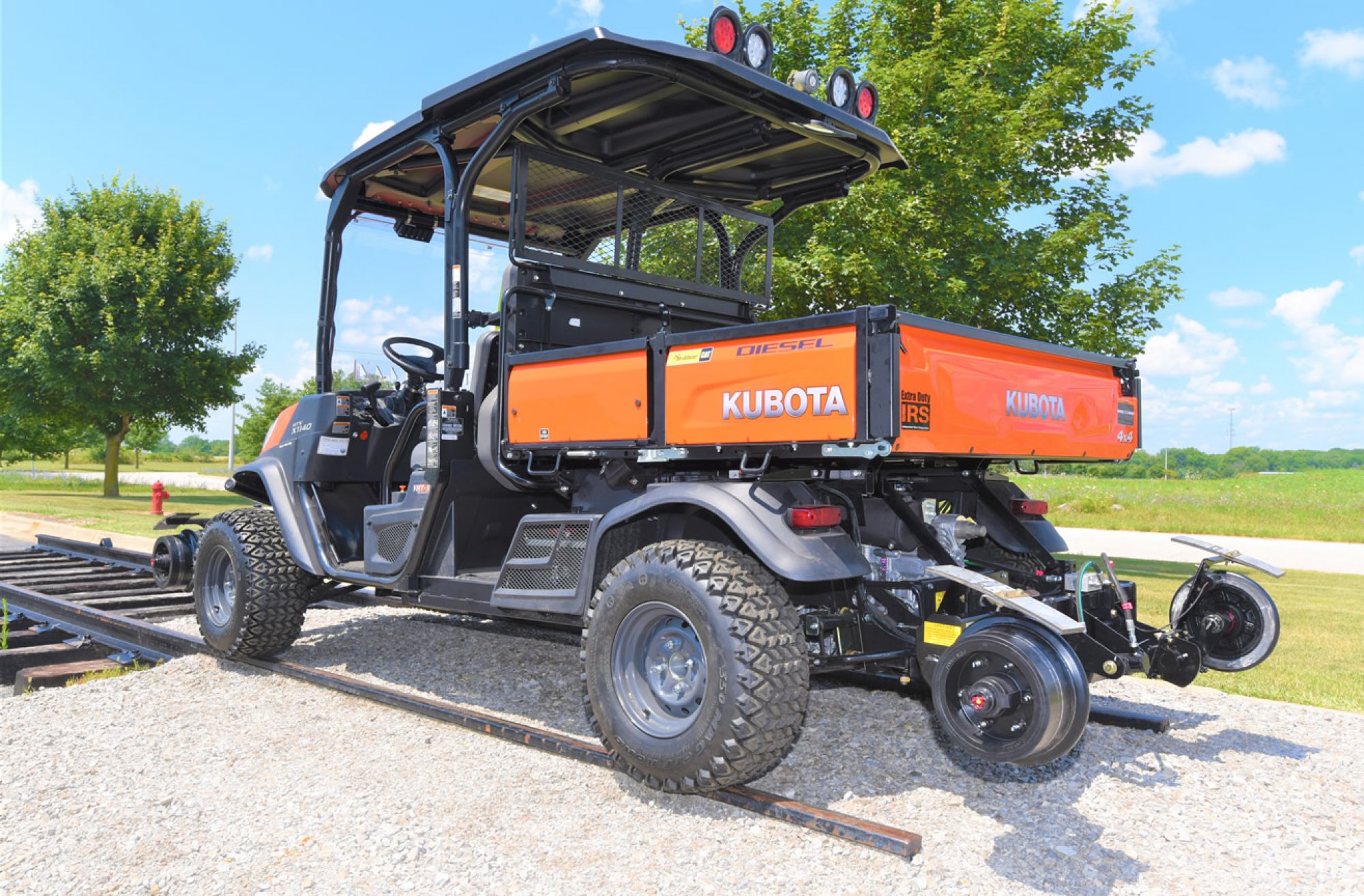
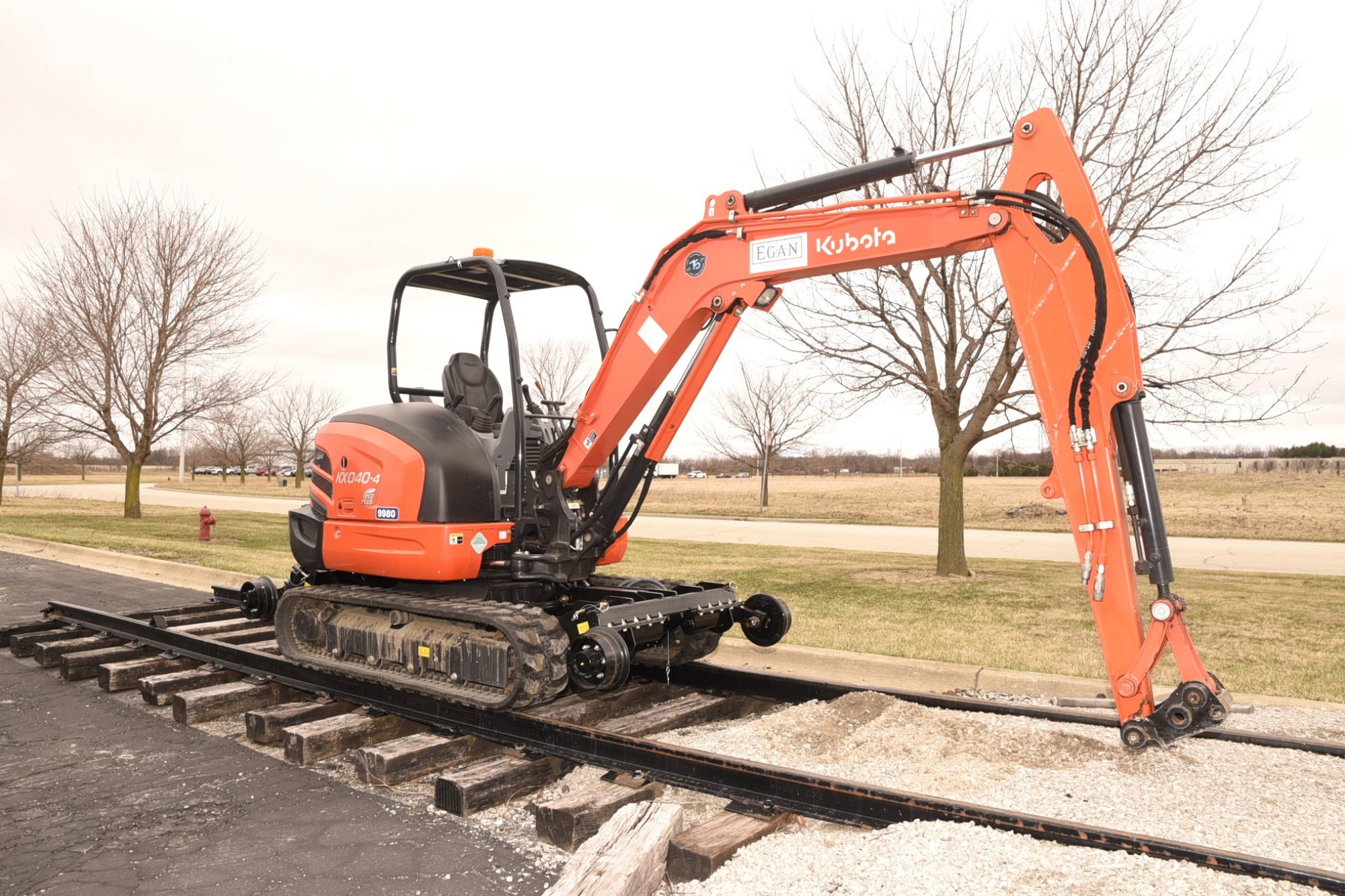
Applications in Construction and Maintenance: Leveraging RTV and Komatsu Hi-Rail


\"Kubota5.JPG/"

In the world of heavy machinery and industrial operations, efficiency and reliability are paramount. Rough Terrain Vehicles (RTVs) and Komatsu Hi-Rail machines are two types of equipment that have significantly impacted construction and maintenance, particularly in challenging environments. We will explore how these robust machines are utilized in various applications, enhancing productivity and safety across the board.


RTV Hi-Rail in Construction: Navigating Challenging Environments

RTV Hi-Rail designed for rugged terrains, plays a crucial role in construction sites where conventional vehicles would struggle. Their primary applications include:


1. Material Transport

·         Efficiency in Rough Terrains: RTV Hi-Rail are engineered to transport materials across uneven and difficult terrains. Their robust suspension and powerful engines allow them to carry heavy loads of construction materials, tools, and equipment to areas that are otherwise inaccessible.

·         Versatility: These vehicles can be equipped with various attachments, such as dump beds, flatbeds, and tow hooks, making them versatile for different tasks on the construction site. 


2. Site Preparation and Surveying

·         Mobility: RTVs can swiftly move across large construction sites, facilitating quick and efficient site surveys and preparations. They provide a stable platform for engineers and surveyors to perform their tasks.

·         Equipment Transport: Surveying and site preparation often require specialized equipment, which RTV Hi-Rail can easily transport, ensuring that all necessary tools are available at the site promptly. 


3. Emergency Response

·         Rapid Deployment: In case of emergencies, RTV Hi-Rail can quickly navigate the construction site to deliver first-aid supplies or evacuate injured personnel. Their speed and agility make them indispensable during critical situations.

·         Durability: Built to withstand harsh conditions, RTV Hi-Rail ensures that emergency response teams can rely on them even in the toughest environments.

 \"KubotaRTVX1140-12.jpg/"

Komatsu Hi-Rail in Rail Maintenance: Ensuring Track Safety and Efficiency


Komatsu Hi-Rail machines are designed to operate both on tracks and off-road, making them indispensable for rail maintenance tasks. Their key applications include:


1.Track Inspection and Repair

·         Precision Engineering: Komatsu Hi-Rail machines are equipped with advanced sensors and tools for inspecting rail tracks. They can detect anomalies and damages, ensuring timely repairs and maintenance.

·         Versatility: These machines can carry out a wide range of maintenance activities, including rail grinding, welding, and fastening, ensuring that the tracks are always in optimal condition.


2. Ballast Management

·         Efficient Handling: Komatsu Hi-Rail machines are crucial for distributing and compacting ballast, the gravel or coarse stone used to stabilize the rail tracks. Proper ballast management is essential for maintaining track alignment and stability.

·         Minimized Downtime: By efficiently handling ballast operations, Hi-Rail machines help minimize track downtime, ensuring uninterrupted rail services.


3.Vegetation Control

·         Right-of-Way Maintenance: Overgrown vegetation can obstruct tracks and signal visibility. Komatsu Hi-Rail machines equipped with brush cutters and herbicide sprayers help manage vegetation along the railway, ensuring clear and safe pathways.

·         Environmental Compliance: These machines can be equipped with eco-friendly tools and attachments that ensure vegetation control activities comply with environmental regulations.


Combined Use: Streamlining Construction and Maintenance Projects


The integration of RTVs and Komatsu Hi-Rail machines can significantly streamline construction and maintenance projects, particularly in scenarios where rail infrastructure intersects with construction sites. Some key benefits of their combined use include:


1. Enhanced Mobility and Accessibility

RTV Hi-Rail provide excellent support in transporting materials and personnel across rough terrain, while Hi-Rail machines ensure that rail tracks are maintained and accessible, facilitating seamless operations between construction and rail maintenance teams. 


2. Increased Safety and Efficiency

 The use of specialized machinery for specific tasks reduces the risk of accidents and enhances overall efficiency. RTVs handle off-road tasks, while Komatsu Hi-Rail machines focus on rail-specific maintenance, ensuring that both environments are managed effectively. 


3. Cost-Effectiveness

 Efficient use of machinery reduces project costs by minimizing downtime and optimizing resource allocation. RTV Hi-Rail and Hi-Rail machines, with their specialized capabilities, ensure that tasks are completed swiftly and accurately, reducing the need for costly rework and delays. 


RTVs and Komatsu Hi-Rail machines are integral to modern construction and rail maintenance projects. Their ability to perform in challenging environments, coupled with their specialized features, makes them invaluable assets. By leveraging these machines, industries can enhance productivity, safety, and efficiency, ensuring successful project completion even in the most demanding conditions.

Friday, 3 May 2024

75 UNIVERSAL RAIL GEAR

 75 UNIVERSAL RAIL GEAR


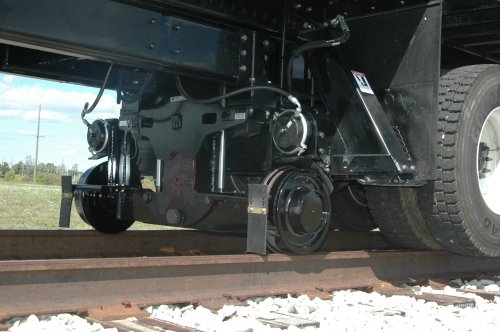
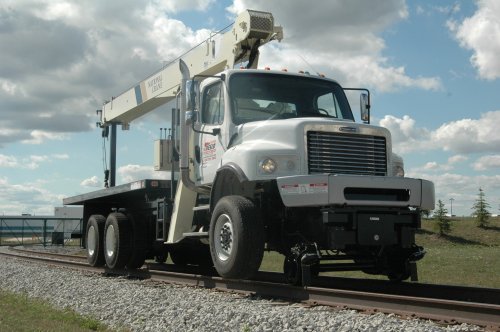
Model 7575 Spring Ride Rail Gear fits trucks up to 66,000 GVW.


\"Picture061.jpg/"

The Rail Gear adapts to trucks for the purpose of traveling on the highway or railway. The vehicle rear tires propel on the railhead and the rail wheels guide the vehicle on track.

The front Spring Ride Rail Gear integrates with the truck springs. The Rail Gear is attached to the front springs.     

The rear Pivot Ride Rail Gear fits in a tight envelope and will both pivot on rail and articulate with self-centering ability for easy rail access. The on rail pivot feature allows for uneven track conditions. Ordinary rail gear does not have the pivot feature. 

The rail Gear kits comes complete with mounting brackets, built-in de-rail skids, Cobra Rail Brakes and steering wheel lock.    Weights:    Front with brakes, rail sweeps and mounting kit: 1172 lbs  Rear with brakes, rail sweeps and mounting kit: 1334 lbs  


Options:

Cartridge Style Rail Shunts

Insulated Rail Wheels Cobra Brakes Disc Brakes Remote Pin Locks Air operated Pin Locks

Thursday, 2 May 2024

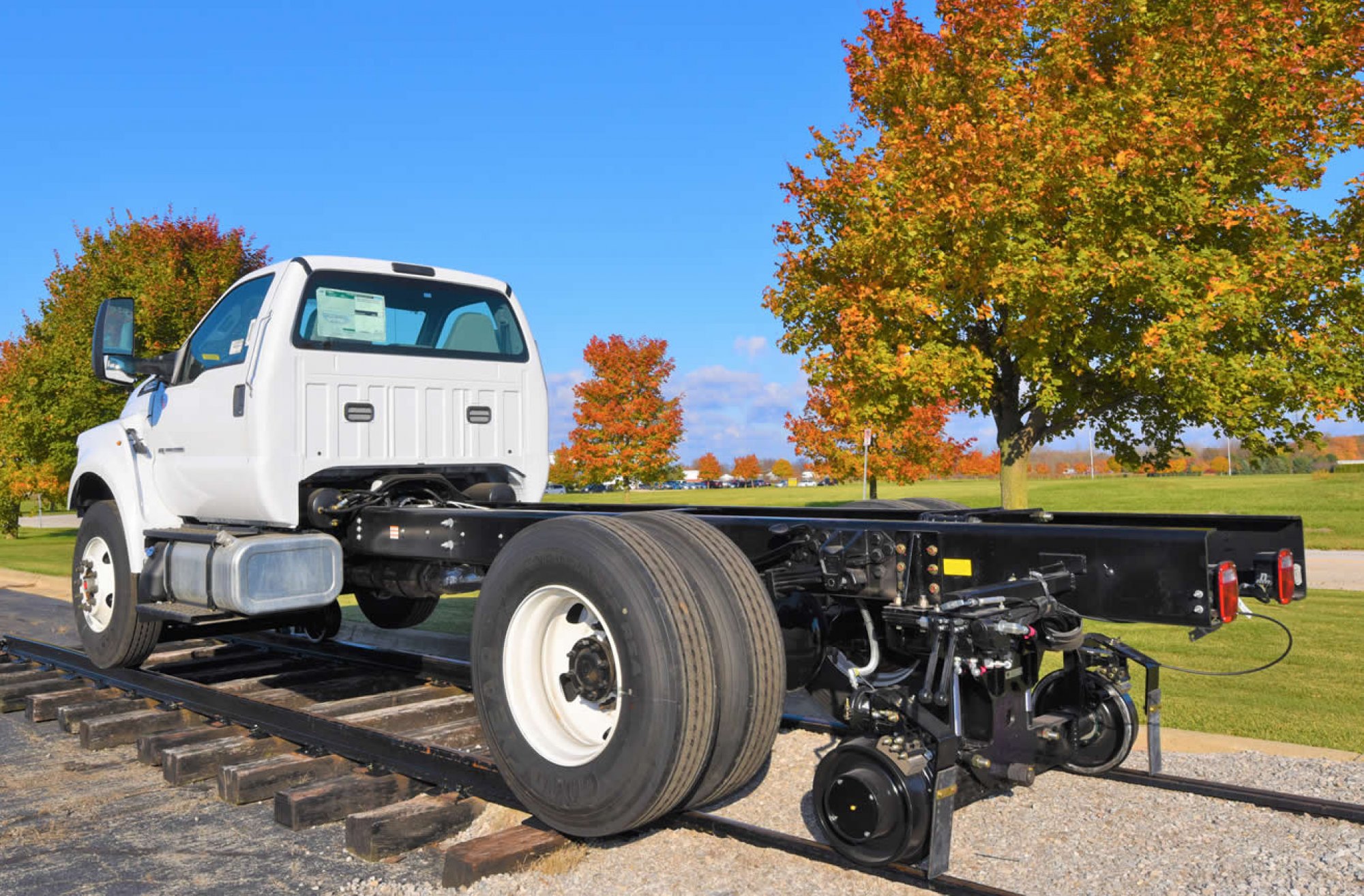
Model 2040 Rail Gear fits Trucks up to 40,000 GVW

 \"FordF-750-4.jpg/"

Product Description: The Mitchell M2040 Rail Gear can be configured for class 7 and class 8 trucks by selecting rail brakes and options to fit particular truck. All options can be added to the standard rail gear at any time.


Forged Steel Rail Wheels and Axles (Coming soon)

Forging steel from a billet or ingot eliminates instances of porosity, cavities, shrinkage, cold pouring, and other casting issues.

A forging is stronger than a cast or plate products because the internal grain pattern realigns to its new shape. This forged realignment localizes mechanical strength characteristics where needed & increases wear resistance. 


Standard Features

Rail Gear units front and rear (46,000 lbs. capacity each end)

Truck requires front frame extension.

Front Rail Gear Spring Ride (Attached to truck front springs, moves with springs).

Rear Rail Gear center pivot non-rigid, pivots 5 inches each side.

Hydraulic operation.

Self-Contained Hydraulics

Push Button Control

Optional Hydraulic Suspension 

Locks in retracted storage position

Hydraulic Holding valves - Front and rear.

Adjustable back to back rail wheels (53 1/8” – 53 7/8”)

Steering Wheel Lock

Built-in de-rail guards

Rail Sweeps

Replaceable Wear Bushings

Some welding required by installer

Some hydraulic hoses supplied by installer  

Rail Wheel Options (insulated requires 2 insulated and 2 non-insulated) Rail Wheel can be greased from end of hub. When new grease is pumped in the hub, all the old grease is forced out through the seal.

Cobra brakes for non-lubricated track. Disc Brakes for lubricated track

Front Cobra Brakes (standard)

Rear Cobra Brakes (Option)

Front Disc Brakes (Option)

Rear Disc Brakes (Option) 

SURE LUBE Bearing System: Superior Lubrication for Reliable Hi-Rail Performance | Mitchell Railgear

In the demanding world of rail maintenance and on-track operations, equipment reliability is everything. Hi-rail vehicles depend on smooth, ...