Railway safety depends on precision — and precision depends on accurate, timely testing. Rail testing trucks, also known as rail inspection trucks or hi-rail testing vehicles, play a crucial role in ensuring that rail infrastructure remains safe, reliable and compliant with industry standards. Equipped with advanced diagnostic technology, these specialised vehicles help rail operators detect faults early, prevent accidents and maintain smooth operations.
In this blog, we explore what rail testing trucks do, why they’re essential, and how they are transforming modern rail maintenance.
What Are Rail Testing Trucks?
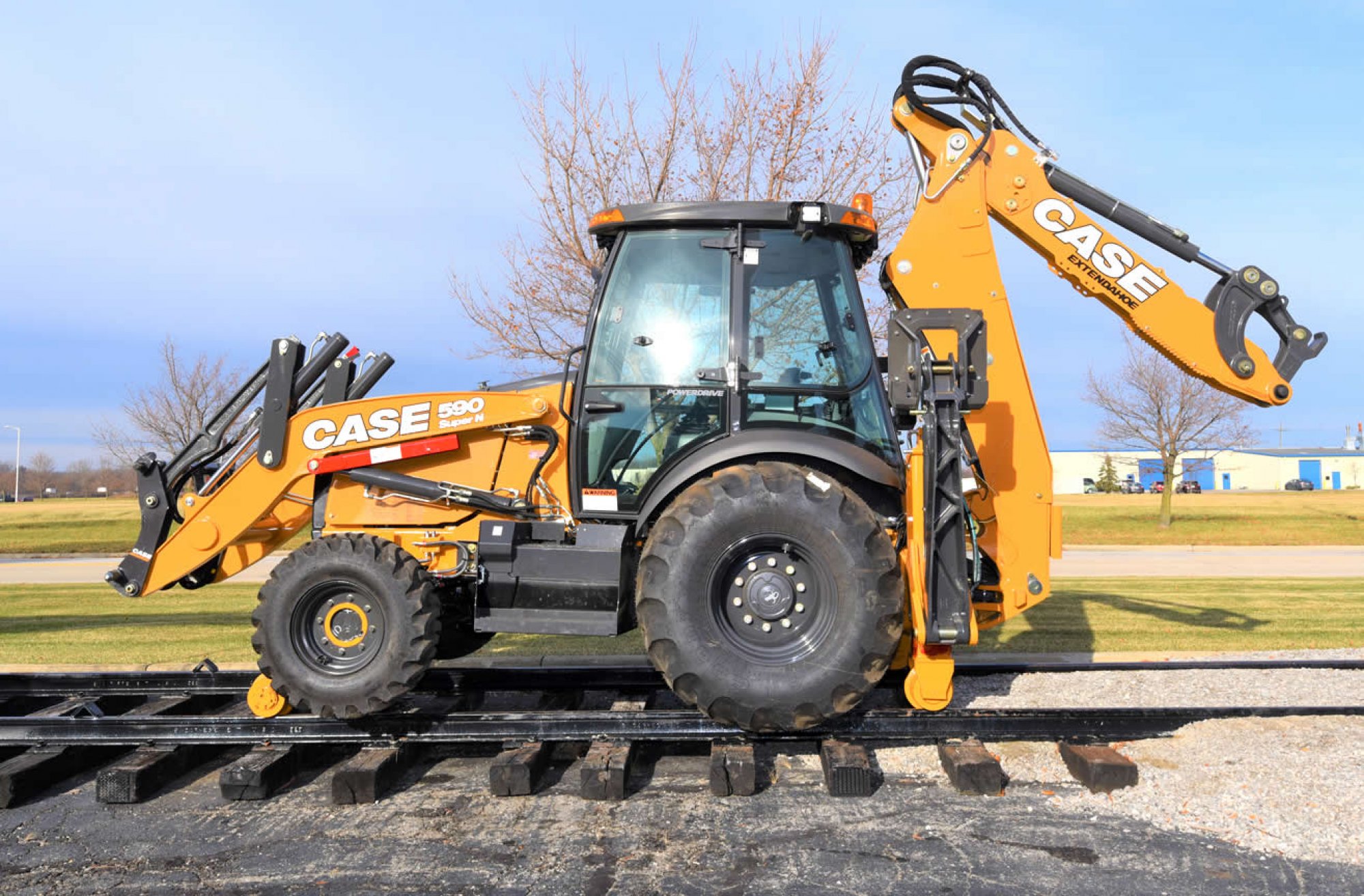
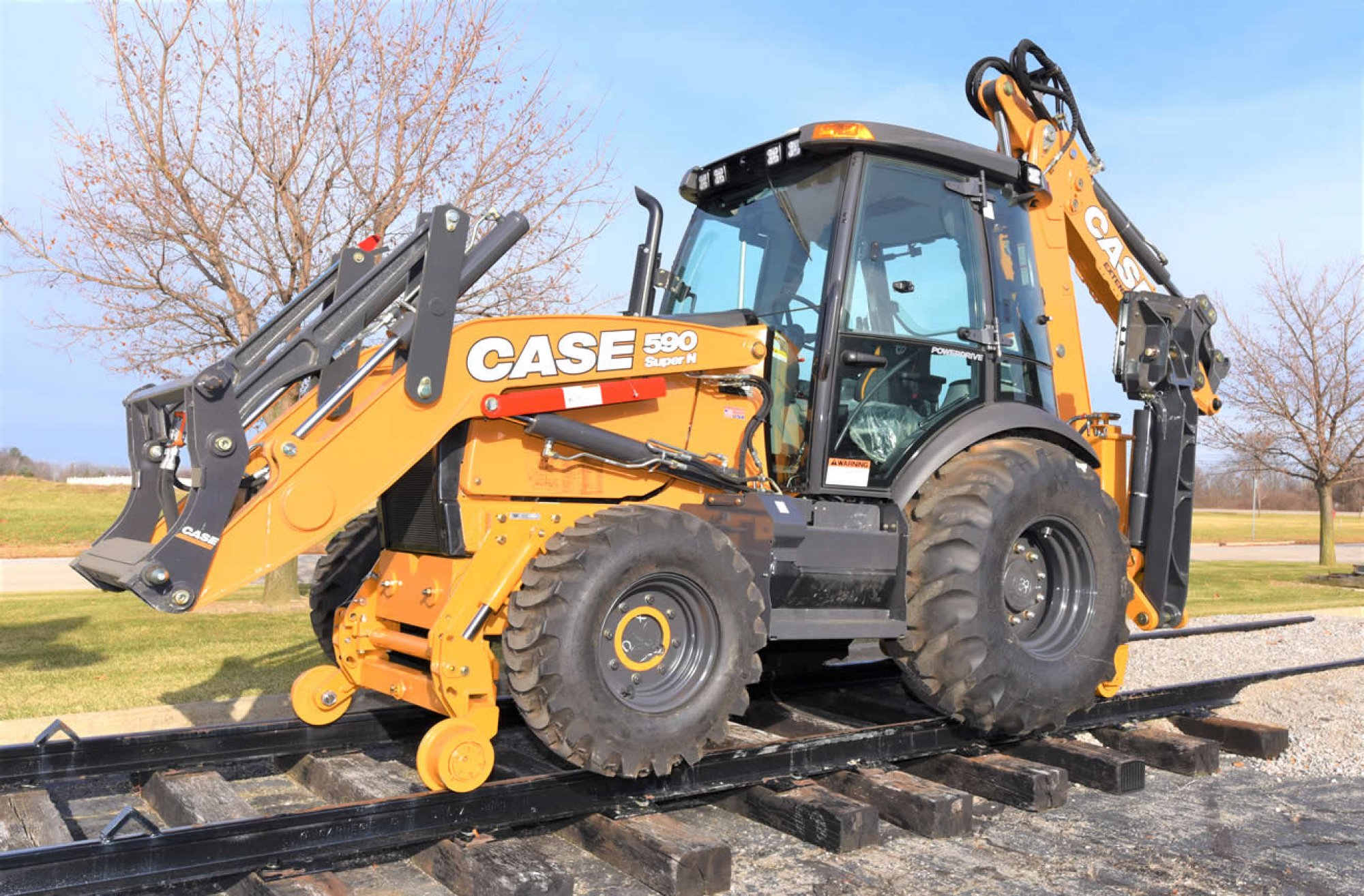
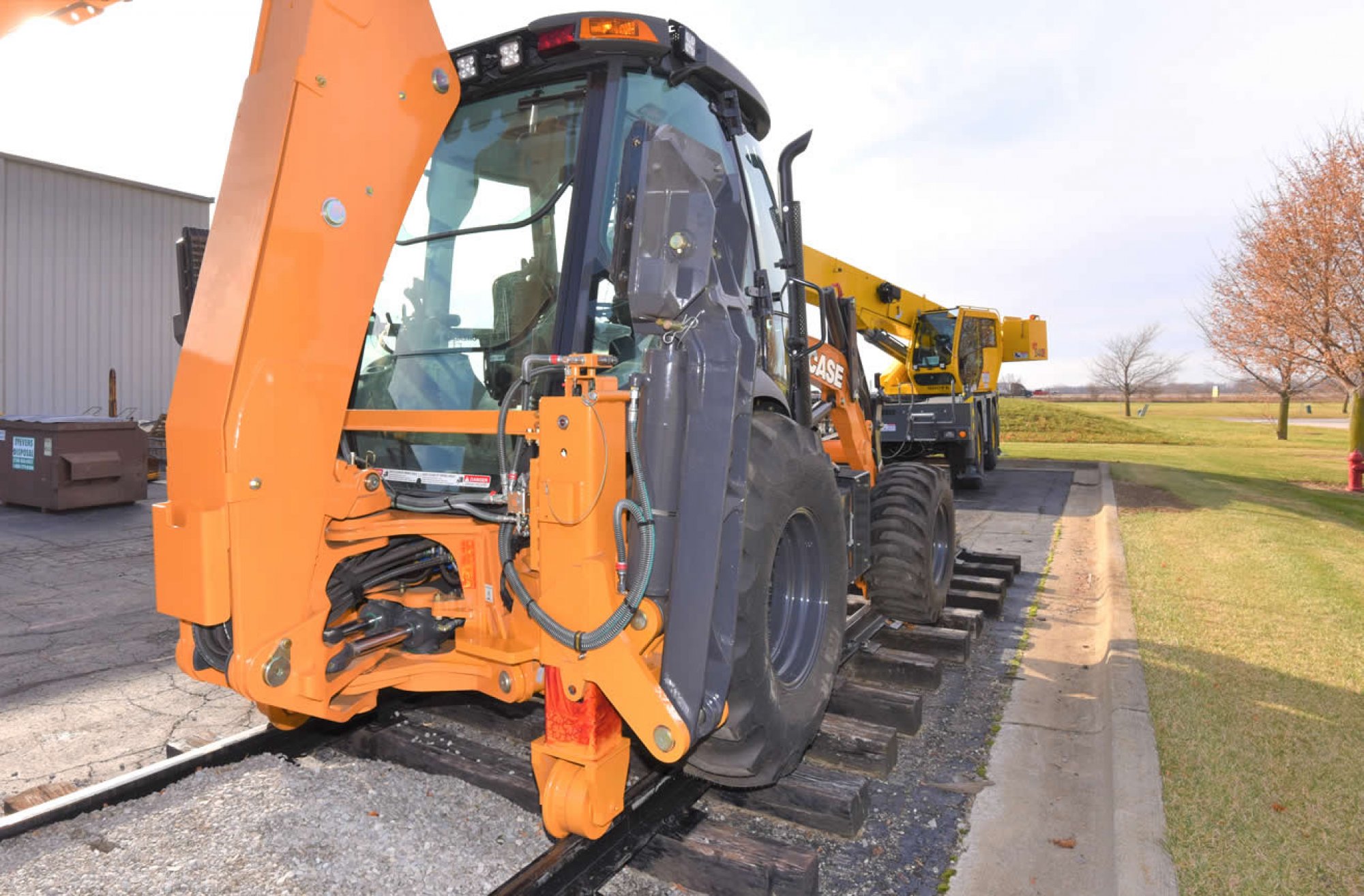
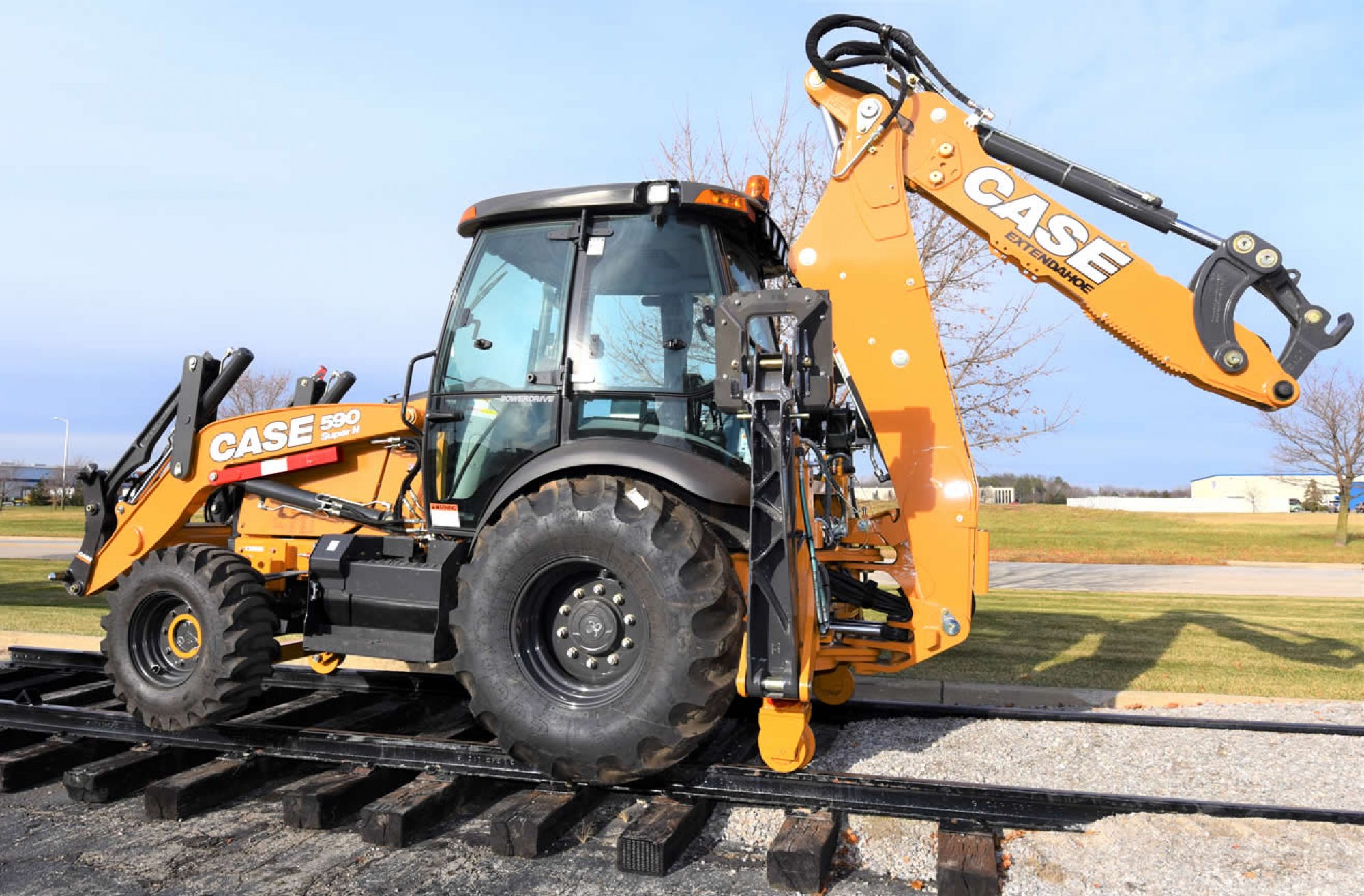
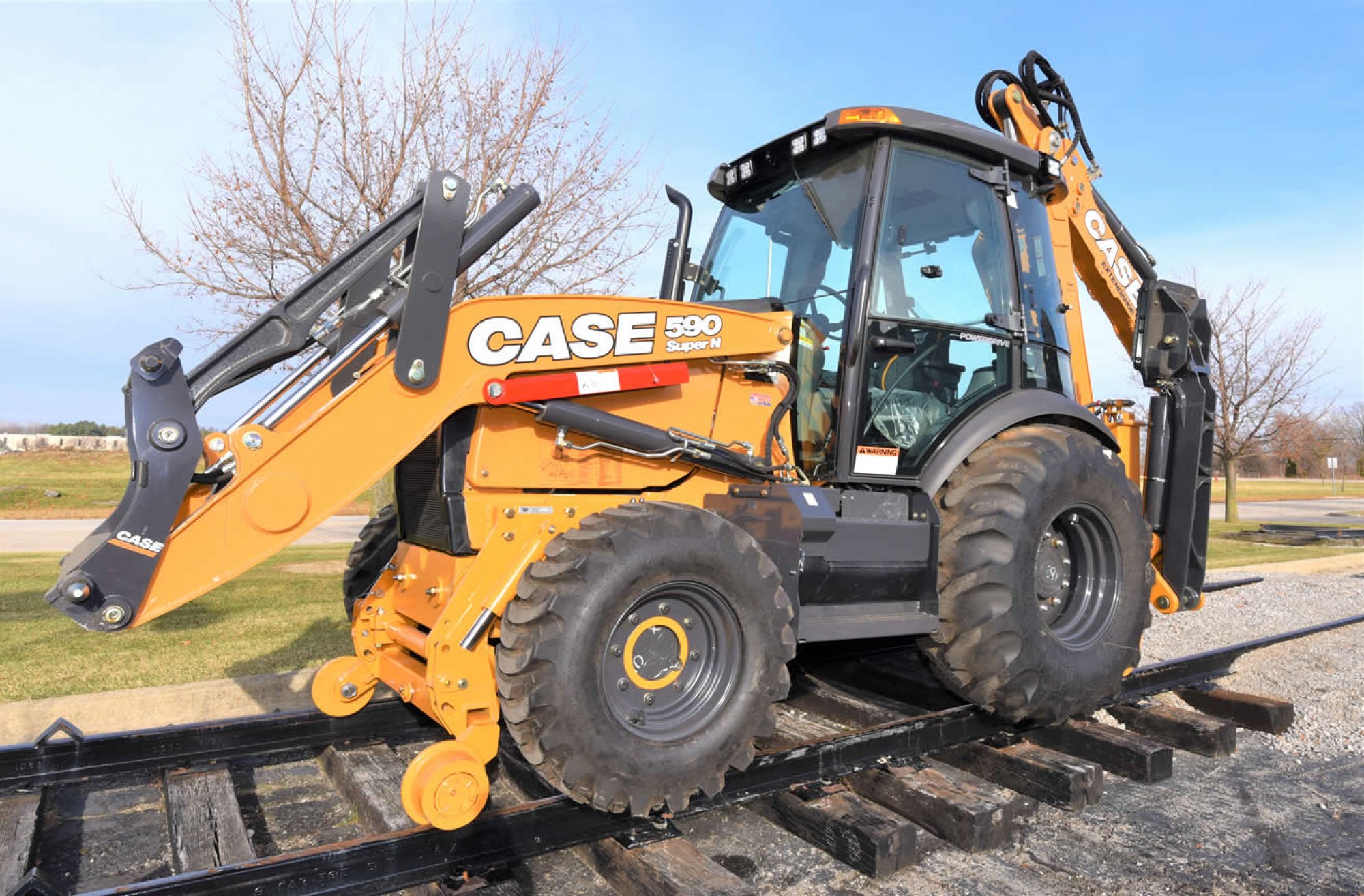
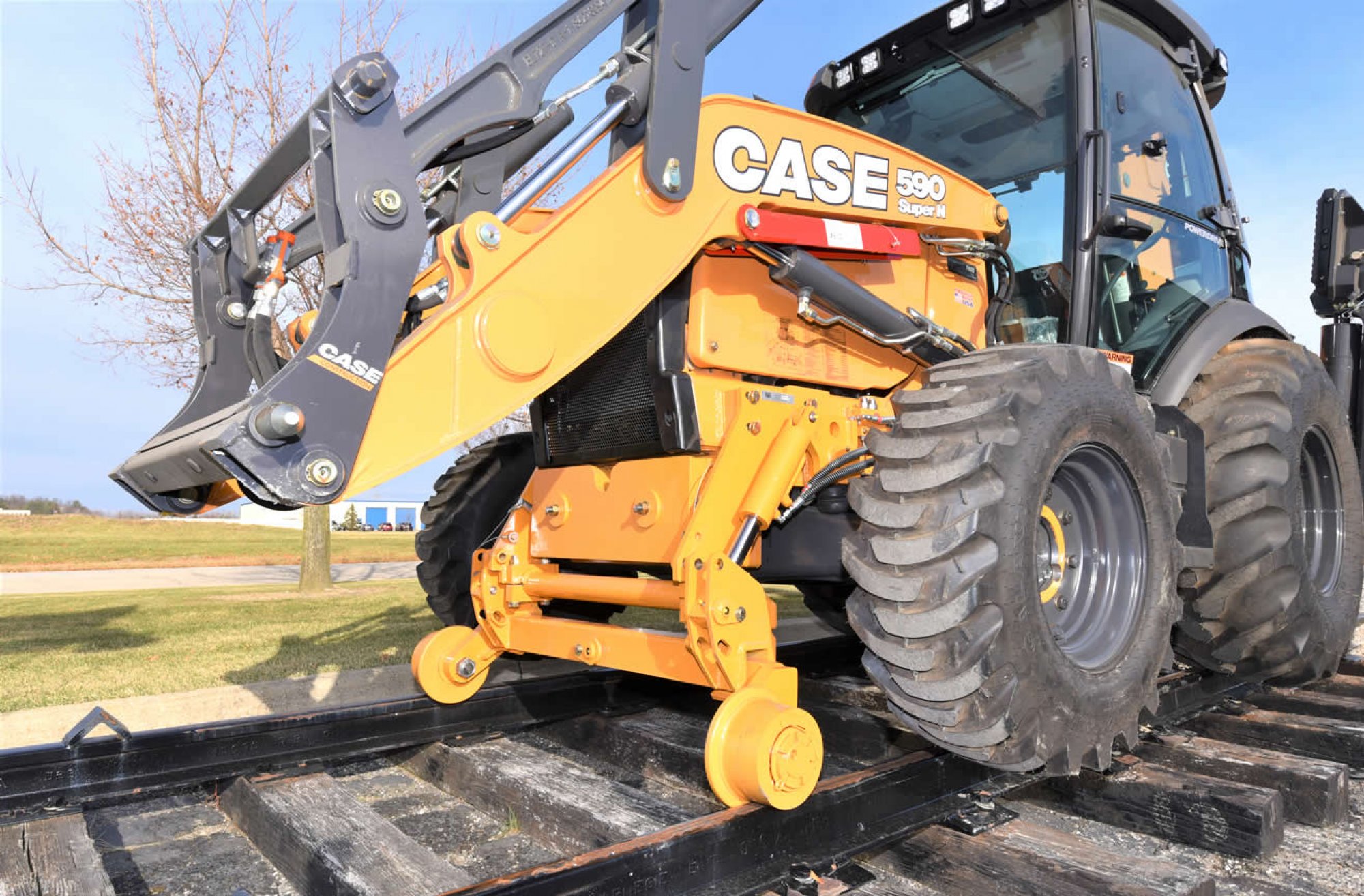
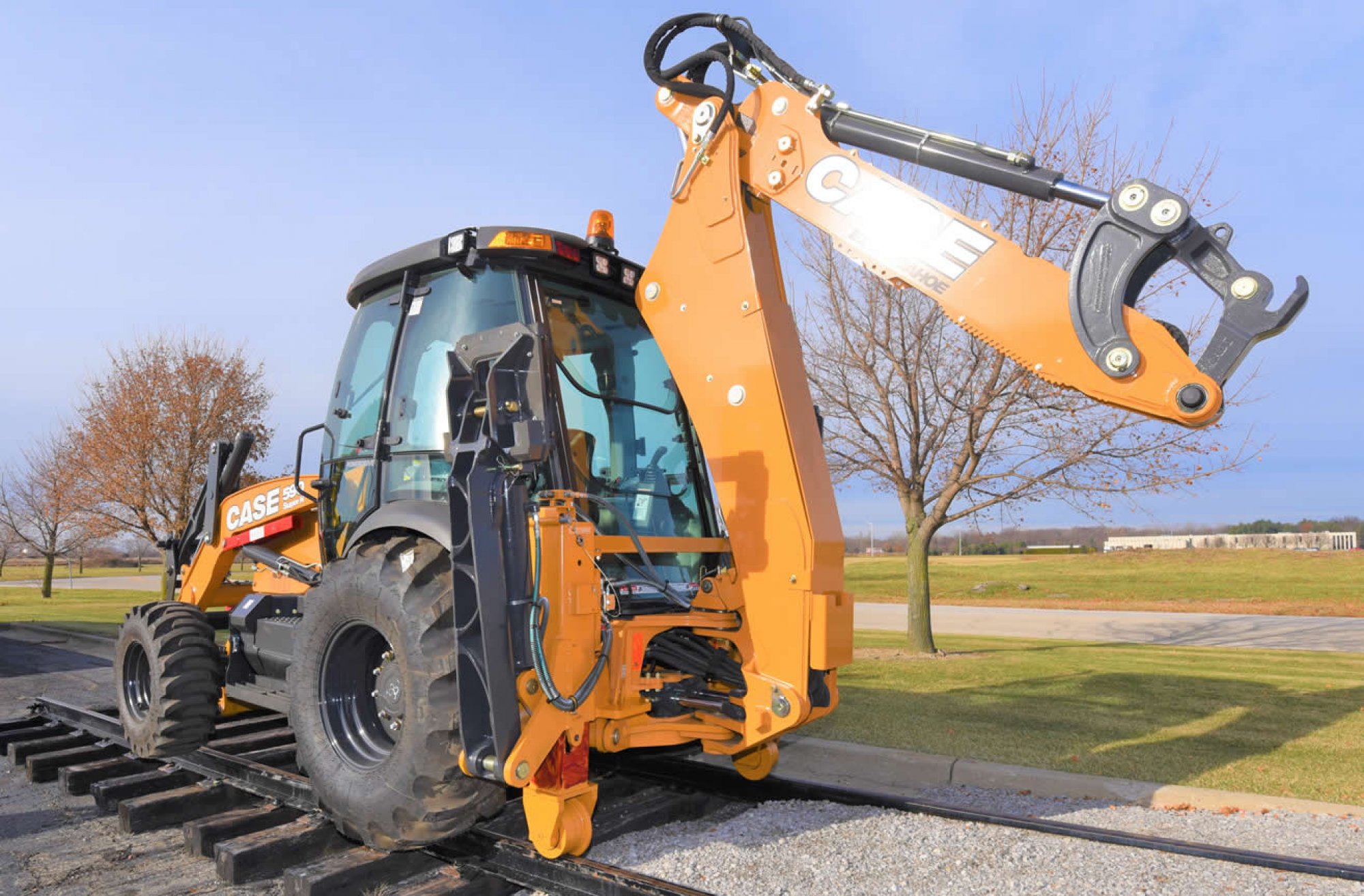
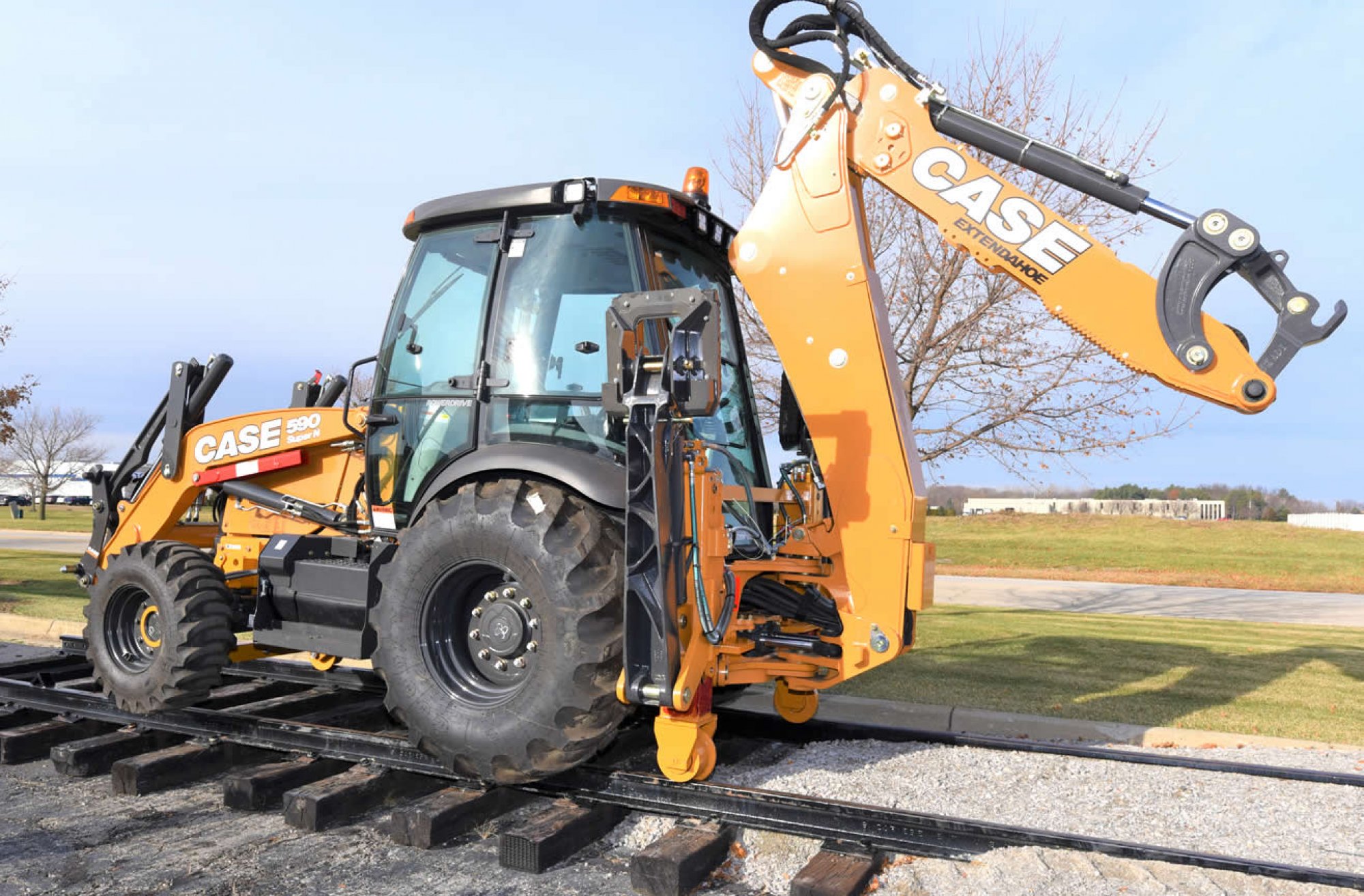
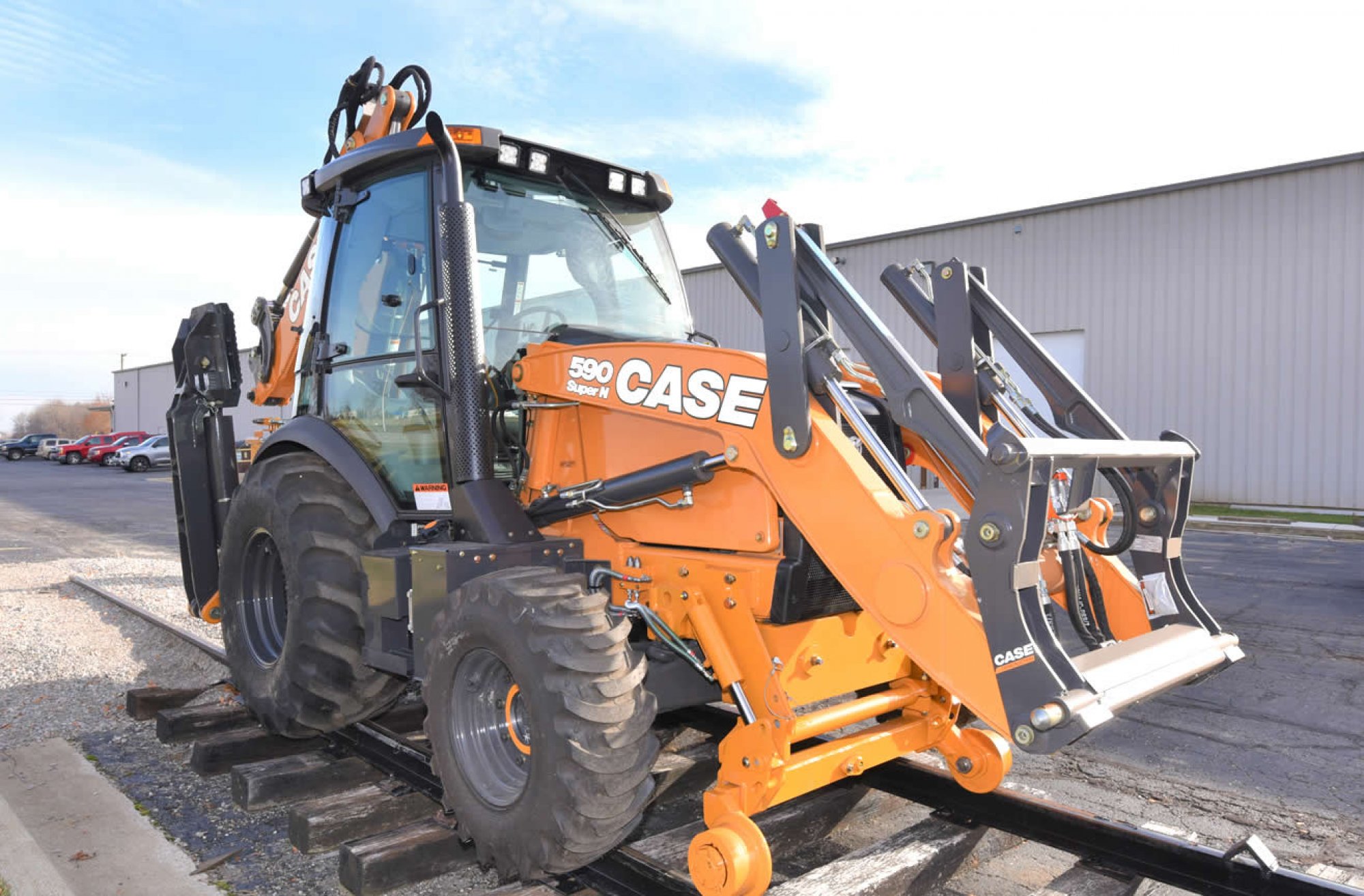
Rail testing trucks are road-rail vehicles fitted with hi-rail gear that allows them to travel safely on both roads and rail tracks. These trucks are equipped with a variety of inspection tools designed to monitor the condition of:
-
Rails
-
Joints
-
Track geometry
-
Welds
-
Gauge width
-
Surface defects
-
Subsurface flaws
They are widely used by rail authorities, maintenance contractors and engineering teams for regular and emergency inspections.
Why Rail Testing Trucks Are Essential
✔ Ensuring Track Safety
Tracks experience constant stress from heavy loads and extreme weather. These trucks help identify early structural issues—such as cracks, wear and alignment problems—before they become safety hazards.
✔ Preventing Costly Failures
Detecting defects early reduces the risk of derailments, service shutdowns and expensive emergency repairs.
✔ Supporting Compliance
Rail networks must comply with strict safety standards. Regular testing ensures regulatory compliance and improves operational accountability.
✔ Saving Time & Labour
Automated scanning and on-site testing significantly reduce inspection time compared to manual checks.
Key Technologies Used in Rail Testing Trucks
Modern rail testing trucks are equipped with cutting-edge testing systems, including:
1. Ultrasonic Rail Testing (UT)
Detects internal cracks, fractures and subsurface defects invisible to the naked eye.
2. Eddy Current Testing (ECT)
Ideal for detecting surface and near-surface flaws such as corrosion and wear.
3. Laser Track Geometry Measurement
Monitors alignment, elevation, curvature, twist and gauge width with exceptional accuracy.
4. Ground Penetrating Radar (GPR)
Analyzes ballast and subgrade conditions to detect moisture, voids or material breakdown.
5. Visual Imaging & HD Cameras
Provides real-time visual assessment for detailed reporting and documentation.
6. GPS & Data Recording Systems
Tracks location while storing inspection data for future maintenance planning.
Applications of Rail Testing Trucks
Rail testing trucks are used in:
-
Routine track inspections
-
High-speed rail analysis
-
Freight and passenger network testing
-
Post-incident evaluation
-
Track commissioning and handover inspections
-
Predictive maintenance planning
Their versatility makes them essential for both light rail and heavy haul infrastructure.
Benefits for Rail Operators
✔ Improved Safety
Accurate detection prevents accidents and enhances passenger and operator safety.
✔ Reduced Downtime
Proactive maintenance minimises operational interruptions.
✔ Enhanced Cost Efficiency
Timely detection reduces the need for major overhauls and emergency repairs.
✔ Better Asset Management
Detailed inspection data helps optimise long-term maintenance strategies.
✔ Increased Lifespan of Rail Infrastructure
Early intervention prevents structural degradation and track ageing.
The Future of Rail Testing: Automation & Smart Technology
As rail networks expand and modernise, rail testing trucks are evolving with:
-
AI-powered defect detection
-
Cloud-based reporting systems
-
Integrated digital track twins
-
Autonomous hi-rail operations
-
Real-time data sharing with maintenance crews
These advancements help rail operators make smarter, faster decisions and improve overall network efficiency.
Conclusion
Rail testing trucks are essential tools for maintaining safe, efficient and high-performing rail networks. With their advanced testing technologies and road-rail versatility, they help operators detect problems early, reduce maintenance costs and ensure safe journeys for millions of passengers and freight loads every year.