Thursday, 27 June 2024

The Role of Ballast Tampers in Railway Maintenance and Renewal

 \"CaseBackhoe-12.jpg/"

Railway tracks form the backbone of transportation infrastructure, facilitating the movement of passengers and goods across vast distances. However, maintaining the integrity and stability of these tracks is essential to ensure safe and efficient train operations. Among the array of equipment used in railway maintenance, ballast tampers play a pivotal role in preserving the structural integrity and alignment of railway tracks. Let’s delve into the indispensable role of ballast tampers in railway maintenance and renewal, exploring their significance in ensuring safe and reliable train operations.


 1. Understanding the Importance of Ballast Tampers

Before delving into the role of ballast tampers, it's essential to understand the significance of ballast in railway tracks. Ballast, typically composed of crushed stone or gravel, serves as a foundation for railway tracks, providing stability, drainage, and load distribution. A properly maintained ballast is crucial for ensuring track alignment, stability, and longevity.


2. Preserving Track Geometry and Stability

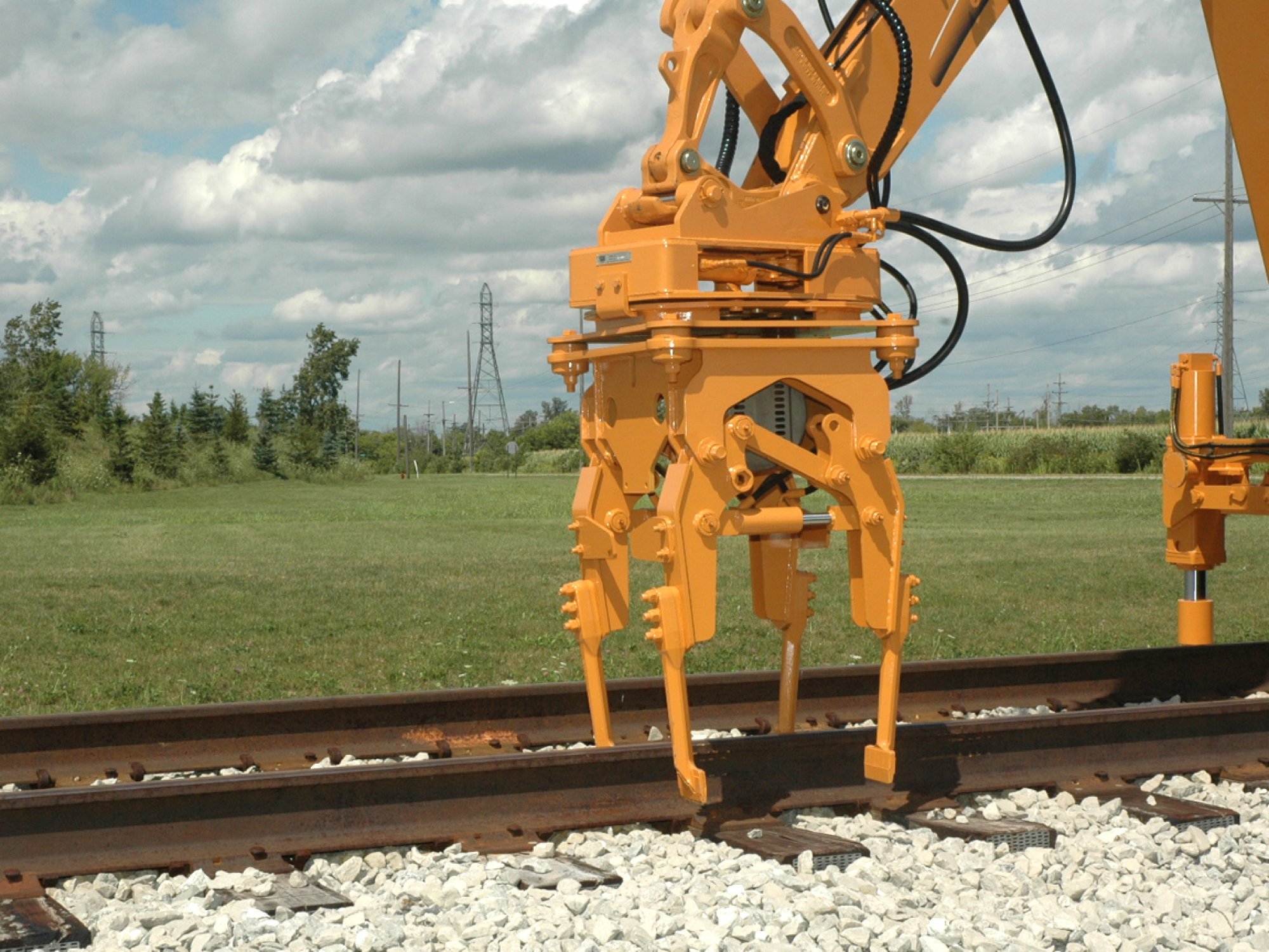
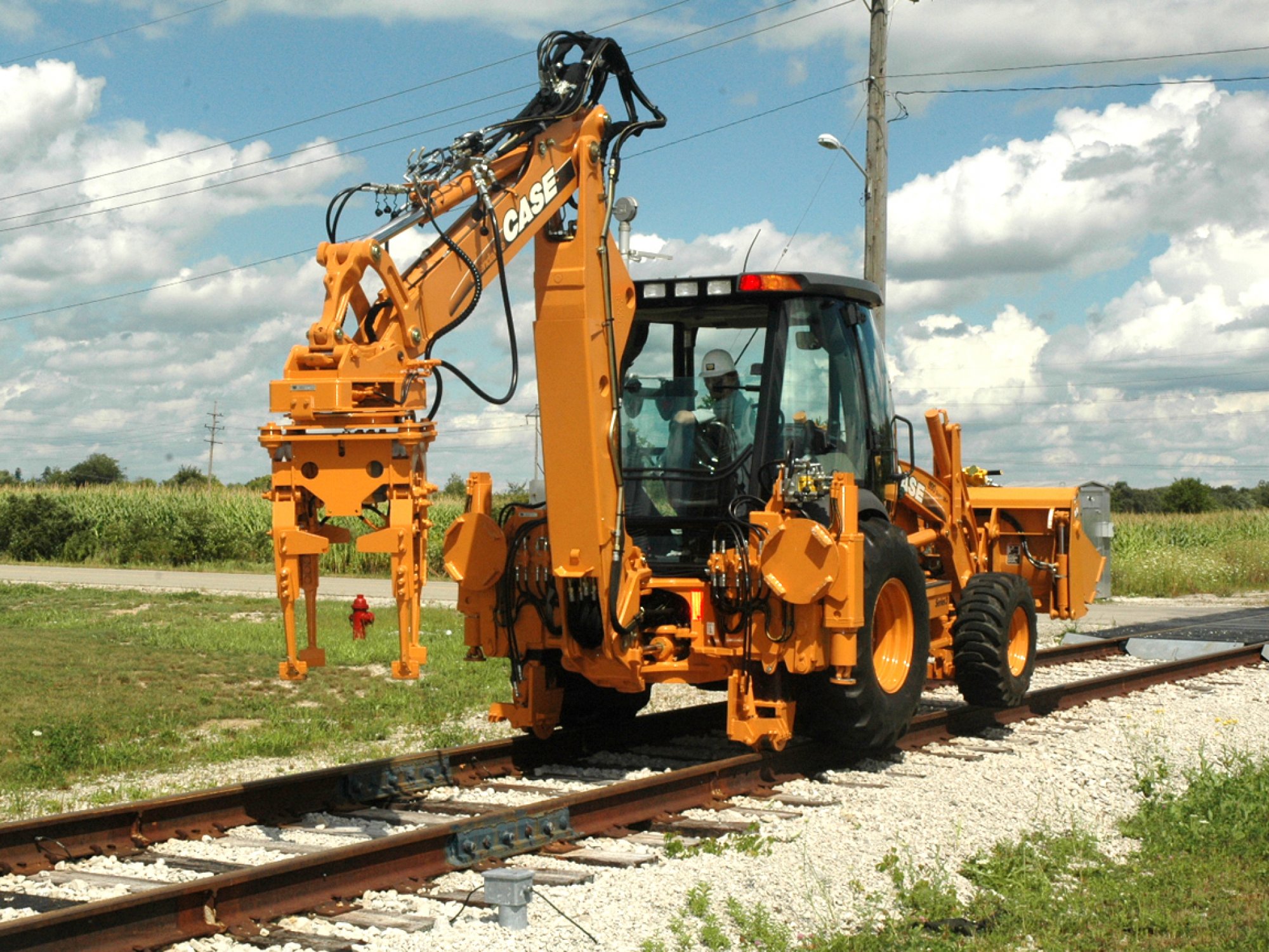
One of the primary functions of ballast tampers is to preserve the track's geometry and stability. Over time, the ballast beneath railway sleepers (ties) can become compacted, displaced, or uneven due to train traffic, weather conditions, and other factors. Ballast tampers utilize vibrating or pounding mechanisms to adjust and compact the ballast, ensuring that it provides adequate support and stability for the tracks. 
 \"CaseBackhoe-12.jpg/"

 3. Enhancing Safety and Reliability

By maintaining proper track geometry and stability, ballast tampers contribute to the safety and reliability of train operations. Well-maintained tracks reduce the risk of derailments, track buckling, and other track-related incidents, ensuring the smooth and efficient passage of trains. This is particularly critical for high-speed rail lines and heavily trafficked routes where safety is paramount.


4. Improving Drainage and Resilience

In addition to preserving track geometry, ballast tampers help improve drainage and resilience of railway tracks. Compacted ballast facilitates effective water drainage, preventing the accumulation of moisture that can lead to track deterioration and instability. Furthermore, properly tamped ballast enhances the track's resilience, allowing it to withstand the dynamic forces exerted by passing trains without deformation or displacement.


5. Facilitating Track Renewal Projects

Ballast tampers play a crucial role in track renewal projects, where existing tracks are rehabilitated or replaced. During track renewal, ballast tampers are used to adjust and compact the ballast to accommodate new sleepers and rails, ensuring a smooth transition and optimal track performance.


In the realm of railway maintenance and renewal, ballast tampers stand as indispensable tools for preserving track integrity, enhancing safety, and ensuring reliable train operations. By effectively compacting and adjusting the ballast beneath railway tracks, these specialized machines contribute to the longevity and resilience of railway infrastructure, facilitating the seamless movement of trains and passengers across the rail network. As railway systems continue to evolve and expand, the role of ballast tampers remains integral in maintaining the backbone of transportation infrastructure worldwide.

Wednesday, 26 June 2024

Applications Across Industries: Where Railroad Grapples Excel


Railroad grapples, with their sturdy construction and versatile functionality, have carved out a niche for themselves across a multitude of industries. These robust tools, designed for efficient material handling and precise operations, find applications in diverse sectors, from construction and forestry to waste management and beyond. Now, we'll explore the wide-ranging applications where railroad grapples excel, showcasing their pivotal role in enhancing productivity and streamlining operations across various industries.


 1. Construction and Infrastructure Development

In the construction industry, railroad grapples are indispensable for handling a wide range of materials, including timber, steel beams, and construction debris. Whether it's loading materials onto trucks, arranging supplies at construction sites, or clearing rubble from demolition sites, railroad grapples offer the strength and precision needed to get the job done efficiently.


 2. Forestry and Logging Operations

Railroad grapples play a crucial role in forestry and logging operations, where they are used for lifting and transporting logs, clearing brush, and loading timber onto trucks or railcars. Their robust design and gripping capabilities make them ideal for navigating rugged terrain and handling heavy loads, thereby optimizing productivity in forestry operations.


 3. Waste Management and Recycling

In waste management facilities, railroad grapples are utilized for sorting, lifting, and transporting various types of waste materials, including scrap metal, construction debris, and municipal solid waste. Whether it's loading waste into shredders, compactors, or sorting conveyors, these grapples streamline waste handling processes, improving efficiency and reducing manual labor. 


 4. Port and Marine Operations

Railroad grapples are essential tools in port and marine operations, where they are used for loading and unloading cargo from ships, barges, and containers. Whether it's handling bulk commodities like coal and ore or managing containers and heavy equipment, railroad grapples offer the strength and precision required for efficient material handling in maritime environments.


5. Manufacturing and Heavy Industry

In manufacturing facilities and heavy industries, railroad grapples are utilized for various material handling tasks, including sorting, stacking, and transporting raw materials and finished products. Whether it's handling steel coils in steel mills, moving scrap metal in recycling plants, or managing materials in manufacturing facilities, these grapples enhance efficiency and safety in industrial environments.


6. Rail Transportation

Railroad grapples play a vital role in rail transportation, where they are used for track maintenance, infrastructure upgrades, and handling materials along railway tracks. Whether it's replacing rail ties, clearing debris from tracks, or loading ballast onto railcars, these grapples offer the precision and strength needed to ensure smooth and safe rail operations.


Railroad grapples stand as versatile workhorses across a myriad of industries, owing to their robust design, precise operation, and efficiency. From construction and forestry to waste management and manufacturing, these specialized tools play a pivotal role in enhancing productivity, reducing operational costs, and improving safety across various sectors worldwide. As industries continue to evolve, the demand for railroad grapple technology is poised to grow, driving innovation and efficiency in material handling processes across diverse industries.

Friday, 14 June 2024

Applications and Industries: Where Railroad Clam Shell Buckets Shine


Railroad clam shell buckets, with their robust design and versatile functionality, have become indispensable tools across various industries worldwide. These specialized buckets, engineered to handle a wide range of materials with precision and efficiency, find applications in diverse sectors, from construction and mining to agriculture and waste management. Here, we delve into the applications and industries where railroad clam shell buckets truly shine, highlighting their pivotal role in enhancing productivity and streamlining operations.


Unveiling the Applications

1. Construction and Infrastructure Development

In construction projects, railroad clam shell buckets are utilized for tasks such as excavating, loading, and transporting bulk materials like gravel, sand, and debris. Their ability to scoop and lift hefty loads with ease makes them ideal for building foundations, roads, bridges, and other infrastructure projects.


2. Mining and Quarrying

In the mining and quarrying industry, where the extraction of minerals and aggregates is paramount, railroad clam shell buckets are employed for efficient material handling. Whether it's loading ore onto trains or sorting through rocky terrain, these buckets excel in rugged environments, boosting productivity and minimizing downtime.


3. Port and Marine Operations

Railroad clam shell buckets play a crucial role in port and marine operations, facilitating the loading and unloading of cargo from ships to trains or trucks. From handling bulk commodities like coal and grain to managing scrap metal and waste, these buckets ensure smooth and swift logistics, essential for global trade. 


4. Agriculture and Forestry

In agricultural and forestry applications, clam shell buckets are utilized for tasks such as clearing land, handling bulk produce, and managing organic waste. Whether it's loading timber onto railcars or moving grains in silos, these versatile tools streamline operations and enhance efficiency in farming and forestry operations.


5. Waste Management and Recycling

Railroad clam shell buckets find extensive use in waste management facilities for handling various types of waste, including municipal solid waste, construction debris, and recyclables. Their ability to grab and lift bulky materials makes them indispensable for sorting, loading, and transporting waste efficiently, contributing to sustainable waste disposal practices.


Industries Embracing Clam Shell Bucket Technology

1. Rail Transportation

Railroad companies rely on clam shell buckets for a myriad of tasks, including ballast handling, track maintenance, and infrastructure upgrades. These buckets enable efficient loading and unloading of materials along railway tracks, ensuring smooth operations and timely maintenance, thus enhancing rail network reliability.


2. Energy and Utilities

In the energy sector, railroad clam shell buckets are utilized for tasks such as coal handling at power plants, ash disposal, and maintenance of coal storage yards. Similarly, in utility industries, these buckets are employed for handling materials like limestone, gypsum, and fly ash, essential for energy production and infrastructure maintenance.


3. Environmental Remediation

Railroad clam shell buckets play a vital role in environmental remediation projects, such as dredging contaminated sediments, cleaning up spill sites, and restoring natural habitats. Their precision and control allow for targeted material removal, minimizing environmental impact and promoting ecosystem restoration efforts.


4. Manufacturing and Heavy Industry

Manufacturing facilities and heavy industries utilize railroad clam shell buckets for various material handling tasks, such as scrap metal recycling, raw material handling, and product distribution. These buckets streamline operations, reduce manual labor, and enhance safety in industrial environments, contributing to overall operational efficiency.

Railroad clam shell buckets stand as versatile workhorses across a multitude of applications and industries, owing to their robust design, precision handling, and efficiency. From construction and mining to port operations and waste management, these specialized tools play a pivotal role in enhancing productivity, reducing operational costs, and promoting sustainable practices. As industries continue to evolve, the demand for railroad clam shell bucket technology is poised to grow, driving innovation and efficiency across diverse sectors worldwide.

Tuesday, 4 June 2024

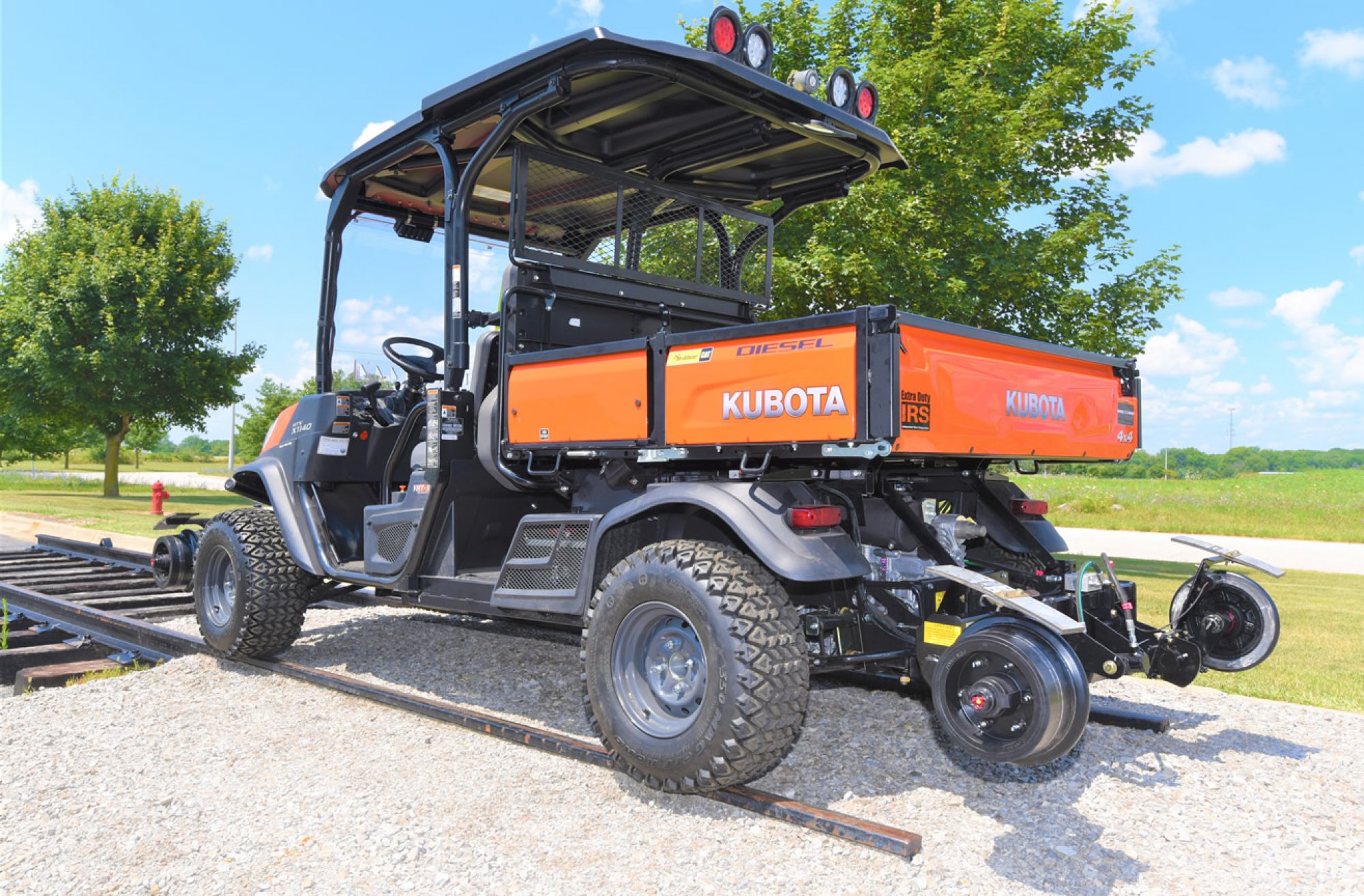
0505 RAIL GEAR FOR KUBOTA RTV-X1120/X1140

\"KubotaRTVX1140-12.jpg/" 

Introducing Mitchell's 0505 Flexiride® Rail Gear for Kubota Utility Vehicles

Mitchell's 0505 Rail Gear https://mitchell-railgear.com/product-listing/5137/265, is a cutting-edge solution designed to revolutionize the performance of Kubota light utility vehicles both on railroad tracks and off-road. Our system boasts a host of innovative features, ensuring optimal adaptability, ease of use, and safety.


1. FlexiRide® Suspension:

At the heart of Mitchell's Rail Gear is our state-of-the-art 4-wheel independent FlexRide® suspension. This adaptive system automatically adjusts to tackle uneven track conditions, providing a seamlessly smooth ride on rail tracks and regular roads alike.


2. Secure Attachment: 

Our rail gear system securely attaches to a specially adapted mounting kit that seamlessly integrates with the utility vehicle's frame. Our patented rail gear mounting system offers unparalleled flexibility, allowing effortless adjustments in both vertical and horizontal dimensions, ensuring precise alignment and loading.


3. Composite Rail Wheels:

 The core of our model 0505 rail gear 0505 rail gear is our exclusive composite rail wheels, consisting of three essential components: 

Hardened Steel Forging Outer: This layer offers exceptional strength and wear resistance when interacting with steel railroad rails. Forged from a billet or ingot, it eliminates common casting issues, resulting in superior durability and increased wear resistance.

High-Strength Aluminum Inner Layer: Crafted from high-strength aluminum, this layer not only reduces overall weight but also serves as a natural heat sink, effectively regulating wheel-bearing temperatures.

Polyurethane Compound: The polyurethane compound acts as an insulating layer, significantly reducing the high-pitched ringing noise by up to 95% when compared to traditional plain steel rail wheels on steel railroad rails.


4. Streamlined Installation:

Traditional rail gear installation on light-duty utility vehicles can be labor-intensive and complex. Custom brackets and wiring are often required, which can complicate maintenance and pose safety concerns. Mitchell's 0505 Rail Gear has revolutionized this process:

Optimal Approach and Departure Angles: Our rail wheels pivot to achieve ideal approach and departure angles, enhancing off-road performance.

Hydraulic Locking: Our rail gear allows for easy hydraulic locking in the up/down positions via a convenient handheld remote.

Accessory Mounting System: Mitchell has developed an innovative accessory mounting system that conveniently houses all necessary hydraulics and electrical components, complete with pre-engineered hydraulic hose kits and wiring harnesses. This plug-and-play concept simplifies installation, eliminating the need for specialized skills.


5. Rail Shunts for Safety: 

For enhanced safety, our optional cartridge-style Rail Shunts seamlessly integrate into all Mitchell Rail Gear systems. These shunts can be controlled via a switch on the front rail gear, ensuring that track signals can be activated or deactivated as needed, thereby triggering crossing lights and gates when approaching a crossing.


6. User-Friendly Installation:


To meet our customers' needs, Mitchell has developed a complete kit that can be easily installed by any mechanic. This eliminates the need for customization, drastically reducing labor requirements, and simplifying the installation process while offering significant cost savings to our valued customers.

With Mitchell's 0505 FlexiRide Rail Gear, you not only get a cutting-edge rail solution that enhances performance but also prioritizes ease of use and safety, all while delivering substantial cost savings. Elevate your Kubota's capabilities with Mitchell's Flexiride® Rail Gear. For product details Click here https://mitchell-railgear.com/product-listing/5137/265

SURE LUBE Bearing System: Superior Lubrication for Reliable Hi-Rail Performance | Mitchell Railgear

In the demanding world of rail maintenance and on-track operations, equipment reliability is everything. Hi-rail vehicles depend on smooth, ...