Railway tracks form the backbone of
transportation infrastructure, facilitating the movement of passengers and
goods across vast distances. However, maintaining the integrity and stability
of these tracks is essential to ensure safe and efficient train operations.
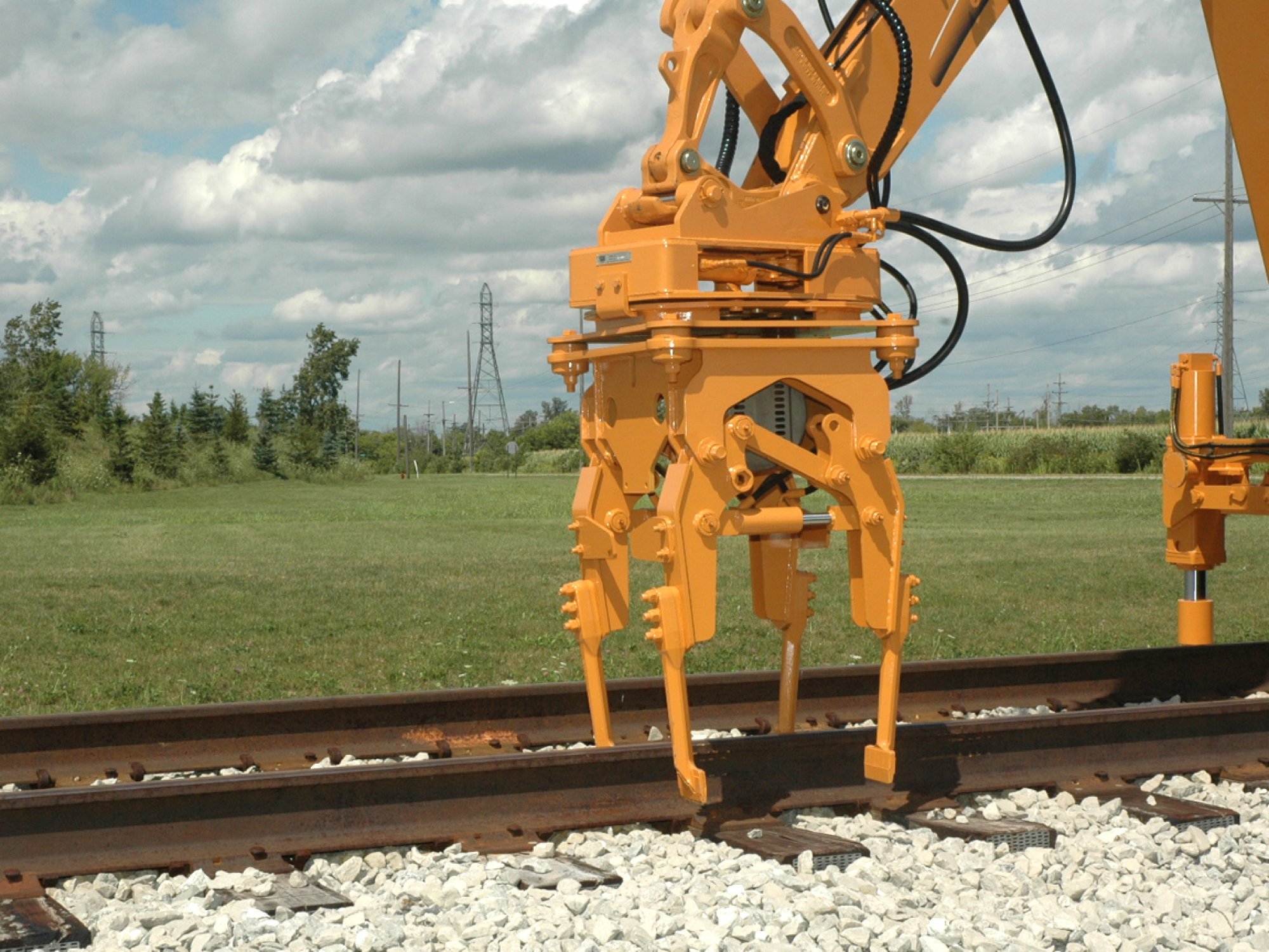
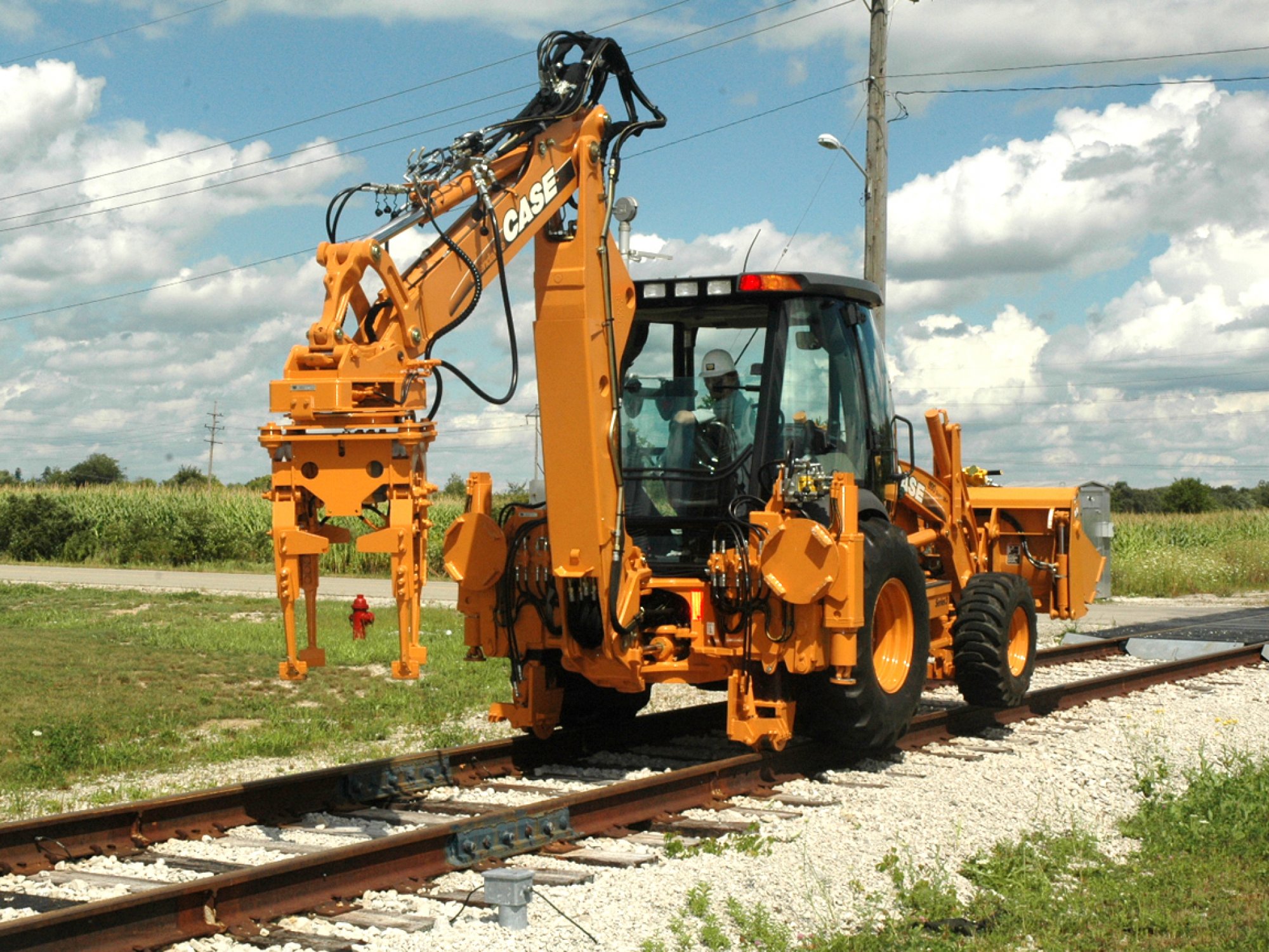
Among the array of equipment used in railway maintenance, ballast tampers play a pivotal role in
preserving the structural integrity and alignment of railway tracks. Let’s delve
into the indispensable role of ballast tampers in railway maintenance and
renewal, exploring their significance in ensuring safe and reliable train
operations.
1. Understanding the Importance of Ballast
Tampers
Before delving into the role of ballast
tampers, it's essential to understand the significance of ballast in railway
tracks. Ballast, typically composed of crushed stone or gravel, serves as a
foundation for railway tracks, providing stability, drainage, and load
distribution. A properly maintained ballast is crucial for ensuring track
alignment, stability, and longevity.
2. Preserving Track Geometry and
Stability
One of the primary functions of ballast tampers is to preserve the track's geometry and stability. Over time, the ballast beneath railway sleepers (ties) can become compacted, displaced, or uneven due to train traffic, weather conditions, and other factors. Ballast tampers utilize vibrating or pounding mechanisms to adjust and compact the ballast, ensuring that it provides adequate support and stability for the tracks.
3. Enhancing Safety and Reliability
By maintaining proper track geometry and
stability, ballast
tampers contribute to the safety and
reliability of train operations. Well-maintained tracks reduce the risk of
derailments, track buckling, and other track-related incidents, ensuring the
smooth and efficient passage of trains. This is particularly critical for
high-speed rail lines and heavily trafficked routes where safety is paramount.
4. Improving Drainage and Resilience
In addition to preserving track geometry,
ballast tampers help improve drainage and resilience of railway tracks.
Compacted ballast facilitates effective water drainage, preventing the
accumulation of moisture that can lead to track deterioration and instability.
Furthermore, properly tamped ballast enhances the track's resilience, allowing
it to withstand the dynamic forces exerted by passing trains without
deformation or displacement.
5. Facilitating Track Renewal
Projects
Ballast tampers play a crucial role in track renewal projects, where existing tracks are rehabilitated or replaced. During track renewal, ballast tampers are used to adjust and compact the ballast to accommodate new sleepers and rails, ensuring a smooth transition and optimal track performance.
In the realm of railway maintenance and
renewal, ballast
tampers stand as indispensable tools for
preserving track integrity, enhancing safety, and ensuring reliable train
operations. By effectively compacting and adjusting the ballast beneath railway
tracks, these specialized machines contribute to the longevity and resilience
of railway infrastructure, facilitating the seamless movement of trains and
passengers across the rail network. As railway systems continue to evolve and
expand, the role of ballast tampers remains integral in maintaining the
backbone of transportation infrastructure worldwide.


No comments:
Post a Comment